Designing a Celebration of Life Program: Bringing Meaning, Memory & Comfort

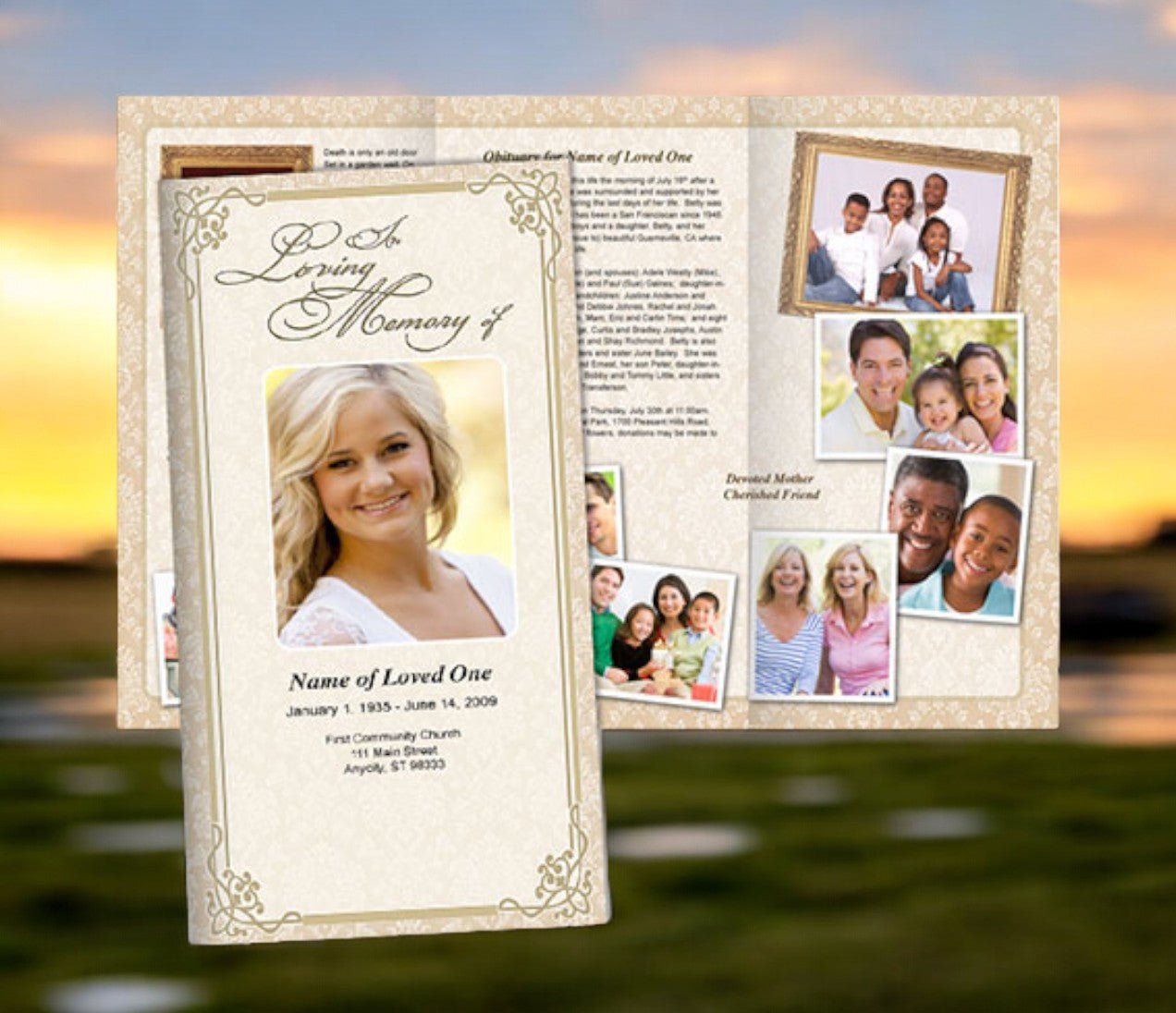
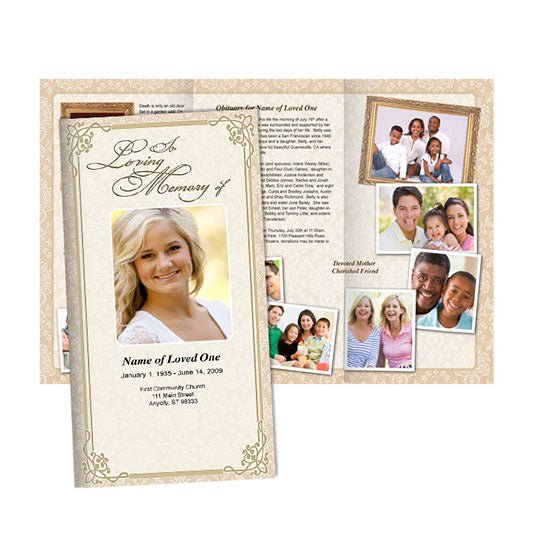
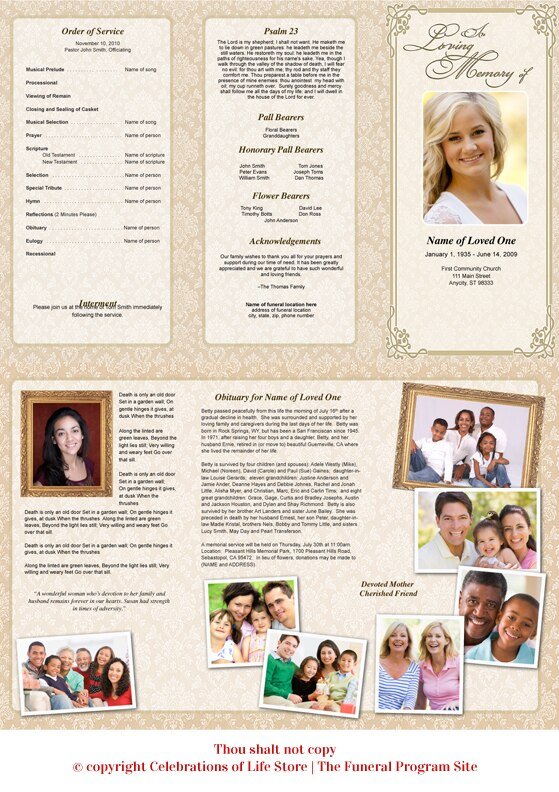
A “celebration of life” program (sometimes called a memorial or funeral program) is more than a schedule of events—it’s a crafted memory, a keepsake, and a guide for guests. Its purpose is to reflect the personality of the person who has passed, to help the gathering flow quietly (or joyfully), and to leave attendees with something tangible to hold afterwards.
Using strong templates or examples, like those provided via your links, can reduce stress and help you design something that is both beautiful and deeply personal.
What Makes a Good Celebration of Life Program
Here are essential features many families include in programs for a celebration of life. These draw from standard practices as well as more personalized touches.
-
Cover / Front Page
-
Full name of the person being honored
-
Birth and death dates
-
A favorite photograph (one that reflects their spirit)
-
Title text like “Celebration of Life for [Name]” or “In Loving Memory”
-
-
Welcome & Opening Message
A short note to guests, thanking them for coming, explaining what the gathering means. Sometimes includes an opening reading, poem, or quote that was meaningful to the deceased. -
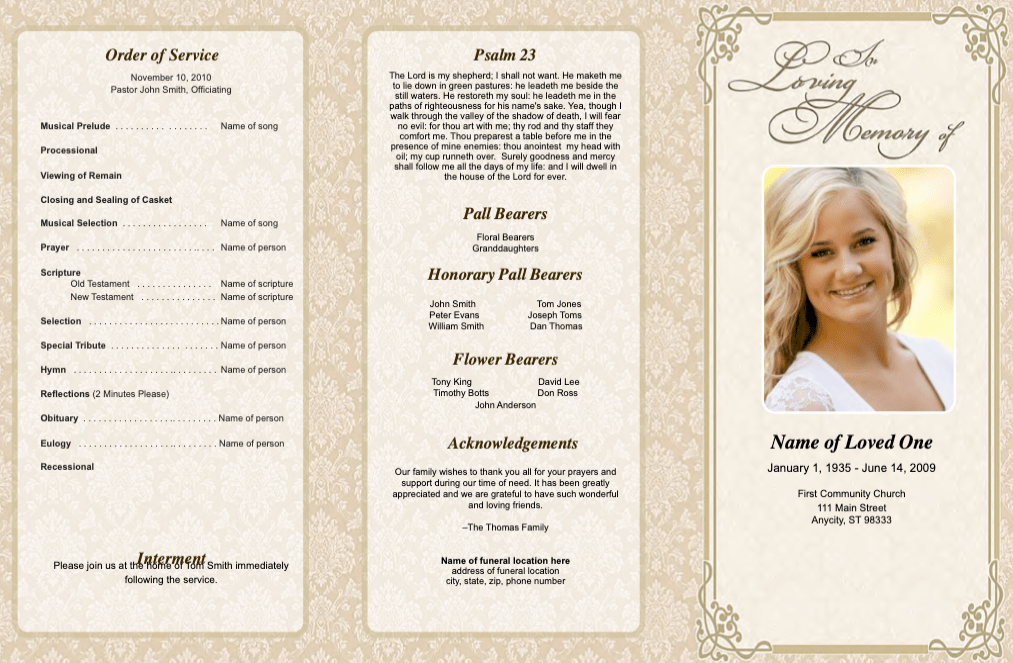
Order of Service / Program Flow
Listing what will happen, in order: e.g. welcome, music, readings, speeches (eulogies), tributes, photos/slideshow, closing remarks. Include who is speaking or performing for each element. -
Biography or Life Story
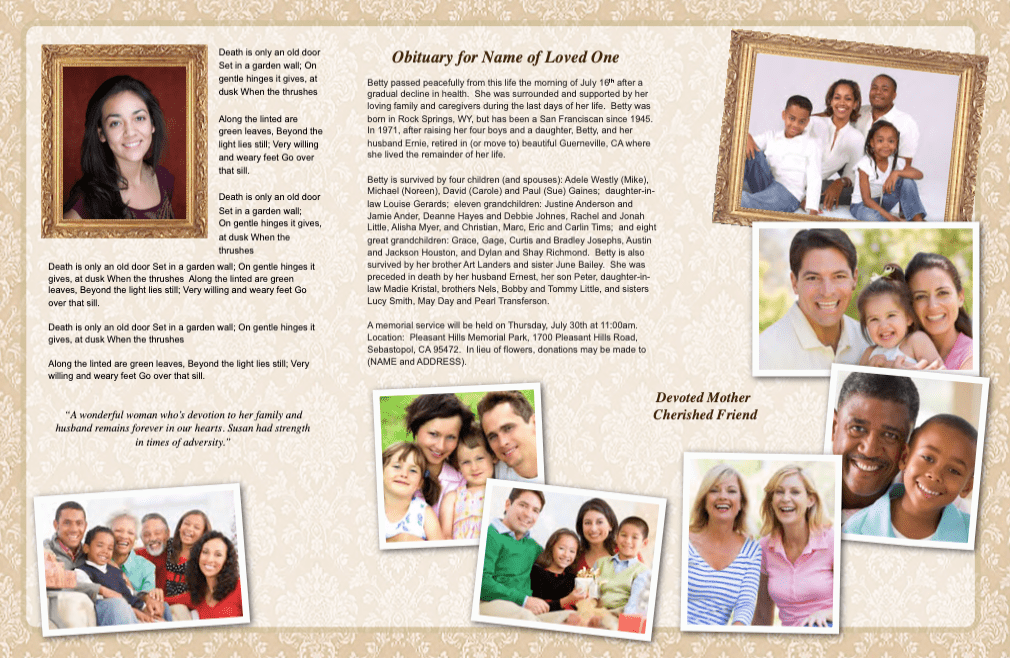
A narrative or sketch of who the person was—background, work or community contribution, passions, favorite activities, character traits. Surviving family and those who preceded them often get mentioned. -
Readings, Poems, Quotes
Chosen passages that meant something to the person (or the family), or that express comfort or value. Religious or spiritual passages if appropriate, poems, favorite literary excerpts or lyrics. -
Photos & Visual Elements
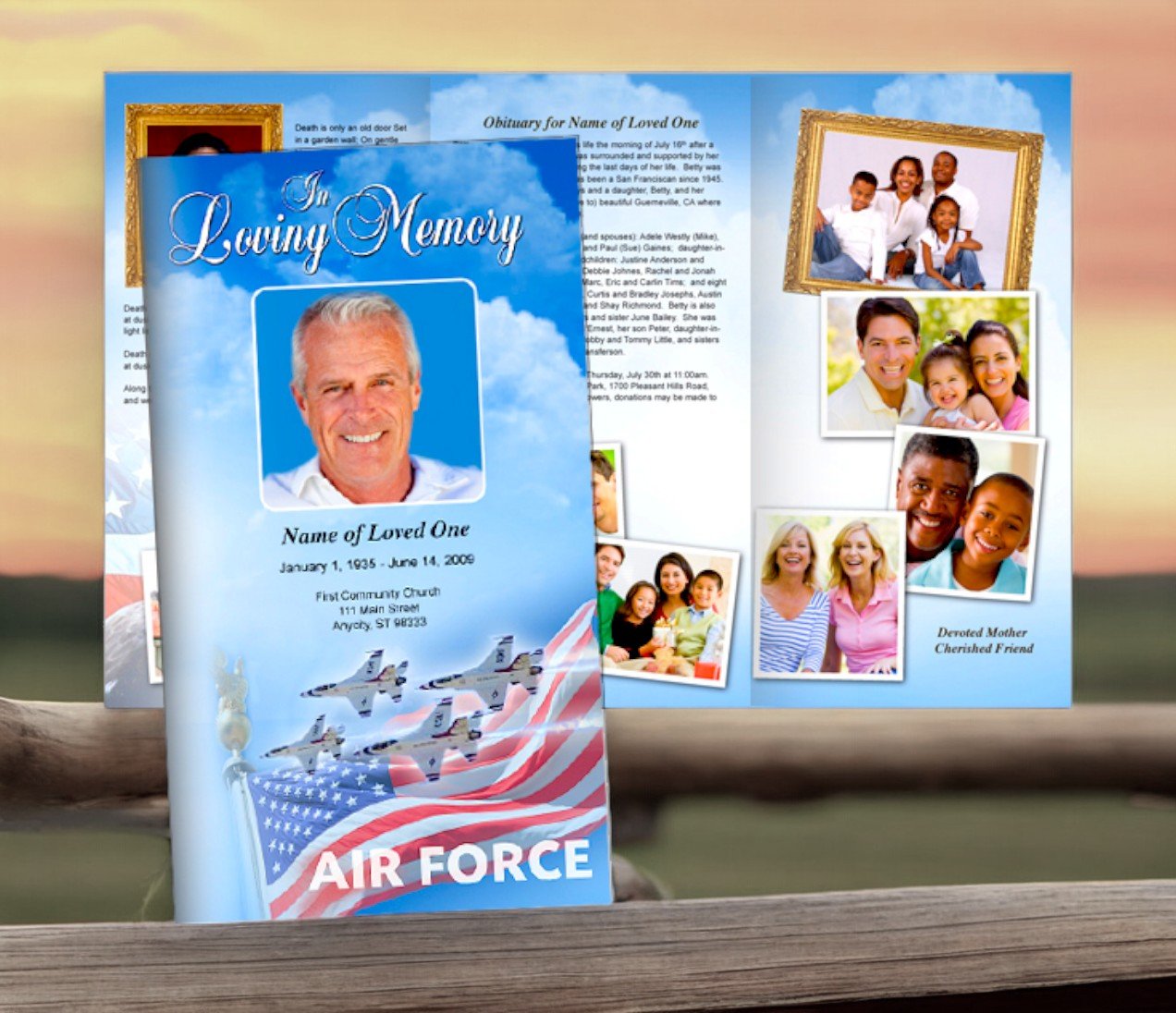
More than just one photo—perhaps a collage showing different phases of life, favorite memories, or hobbies. Visual imagery can help bring the person’s life into view: nature, places they loved, family scenes. -
Acknowledgments & Thank-Yous
Recognizing those who provided support, helped with the service, or were especially important in the person’s life. Thank guests for their presence, notes, prayers, or messages. -
Practical Details & Extras
Information about the gathering (location, times, reception or gathering afterward), any special requests (donations in lieu of flowers, dress code, etc.), contact info or a memorial website if used. -
Closing Sentiment
Final words—could be a quote, prayer, blessing, or farewell message. Something that gives closure and carries forward hope or remembrance. -
Back Cover or Final Page
This is often used for a quotation or image, or simple thanks, or a peaceful photo / design that people leave with.
Personalization & Style: Making It Truly Reflective
While including all those sections is helpful, what turns a program into something truly memorable is personalization. Here are ways to bring out the distinctiveness of the person being remembered:
-
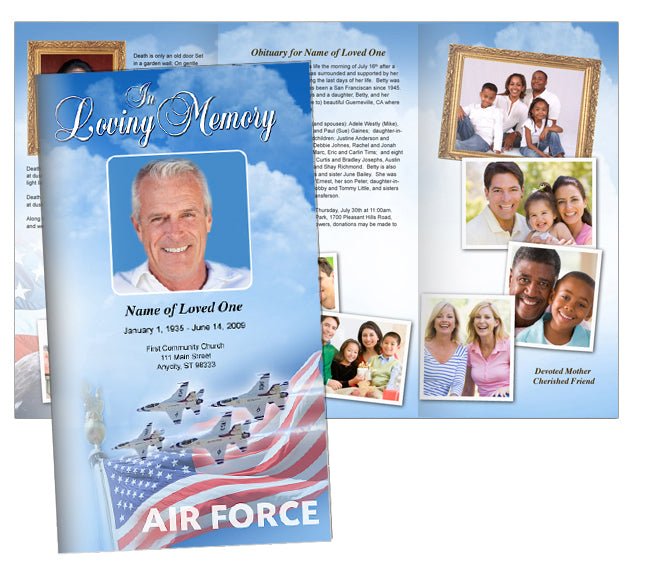
Use their favorite colors, hobbies, or symbols: e.g., a nature lover might have floral motifs or trees; someone who loved music could have musical notes or song imagery.
-
Choose photos that show personality, not just formal portraits: candid moments, laughter, travel, pets, friends.
-
Let close friends or family write short tributes or stories—sometimes small anecdotes resonate deeply.
-
Select readings or quotes that reflect what they valued: kindness, humor, faith, perseverance, creativity.
-
If appropriate, include creative elements: slideshow of photos, video montage, or even interactive moments where guests share memories.
Tone & Design Choices
How the program looks and feels matters almost as much as what it says. Design choices help set atmosphere and support the emotional experience.
-
Font & Layout: Clean, readable fonts for body text; slightly more decorative for headings if desired. Make sure sizes are large enough, especially for older guests.
-
Balance & Spacing: Don’t overload pages. Use whitespace so each section breathes. If a page becomes too busy, consider splitting content.
-
Color & Imagery: Match the tone—subtle or vibrant depending on what feels right. Images should be high resolution. If printing, consider how paper and finish will affect how pictures look under lighting.
-
Format: One-page, folded bifold/trifold, or multi-page booklet—choose based on how much content you have and how formal/informal the event is.
-
Material Quality: Use durable paper stock so programs feel good to hold and are preserved well. Consistent printing helps maintain color fidelity.
Using Templates & Resources Effectively
Using templates helps a lot; they provide structure, help with layout, font pairing, spacing, and reduce decision fatigue. The links you provided are probably examples or templates you can adapt.
Here’s how to use them well:
-
Pick a template you like (layout style, flow, design vibe).
-
Replace placeholder content with your content (name, dates, photos, readings, etc.).
-
Adapt colors or fonts to match personalities or preferences.
-
Proof carefully—names, dates, spelling, photo quality.
-
Format for print and/or digital sharing. If digital, ensure images are optimized so files are not too large.
Why Celebration of Life Programs Matter Deeply
-
They provide structure so guests know what will happen and can follow along. That helps reduce confusion or stress during emotional times.
-
They preserve memories—pictures, readings, quotes that might otherwise be forgotten.
-
They offer comfort: having something physical (or digital) that connects to the person—photo, words, layout—helps people feel they have a part of them still present.
-
They honor the person’s life: not just mourning what was lost, but highlighting what was loved, valued, celebrated.
-
They leave something lasting: many people keep the program, revisit it, share it with others who couldn’t attend, or include it in memorial albums.
Bringing It Together: Planning Steps
Here’s a suggested timeline/process for creating a celebration of life program:
-
Collect content early: photos, full names of speakers, readings, music selections.
-
Choose style or template: use your example/template as a guide. Decide format (booklet, one-pager, etc.).
-
Draft text: write the obituary/biography, tributes, quotes.
-
Design & insert visuals: place photos, choose color accents.
-
Review with family or friends: check for errors, name spellings, content flow.
-
Finalize and print/digital: choose paper, print quality, or prepare digital files; allow some extra copies for keepsakes.