How to Choose the Right Design for a Funeral Program

When planning a funeral or memorial service, families often focus on logistics like music, speakers, and flowers. Yet, one of the most enduring elements of the service is the funeral program. More than just a guide for the ceremony, the program becomes a keepsake for family and friends, often preserved for years to come. Choosing the right design is essential in creating a program that feels both respectful and personal. With guidance from the Funeral Program Site, families can find the perfect balance between elegance, clarity, and individuality.
Why Design Matters
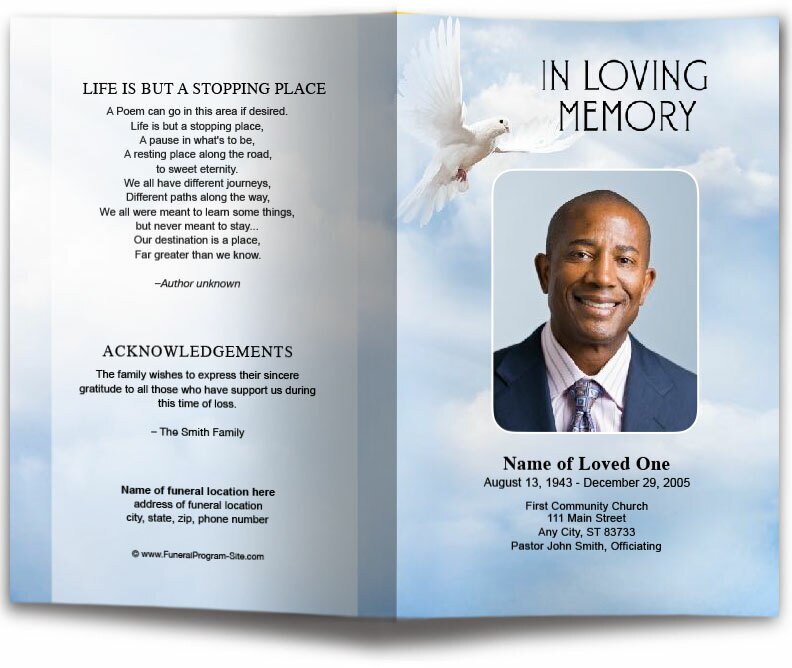
The design of a funeral program communicates much more than the order of events. It sets the tone for the service, reflects the personality of the loved one being honored, and shapes how attendees will remember the day. A thoughtfully designed program shows care and attention, offering comfort to those who hold it. In contrast, a rushed or generic design may fail to capture the essence of the person’s life.
Families should approach funeral program design with the same intention they give to other aspects of the service, ensuring that every choice—from color and font to imagery and layout—aligns with the loved one’s story.
Elements of a Strong Funeral Program Design
Several design elements come together to create a meaningful funeral program:
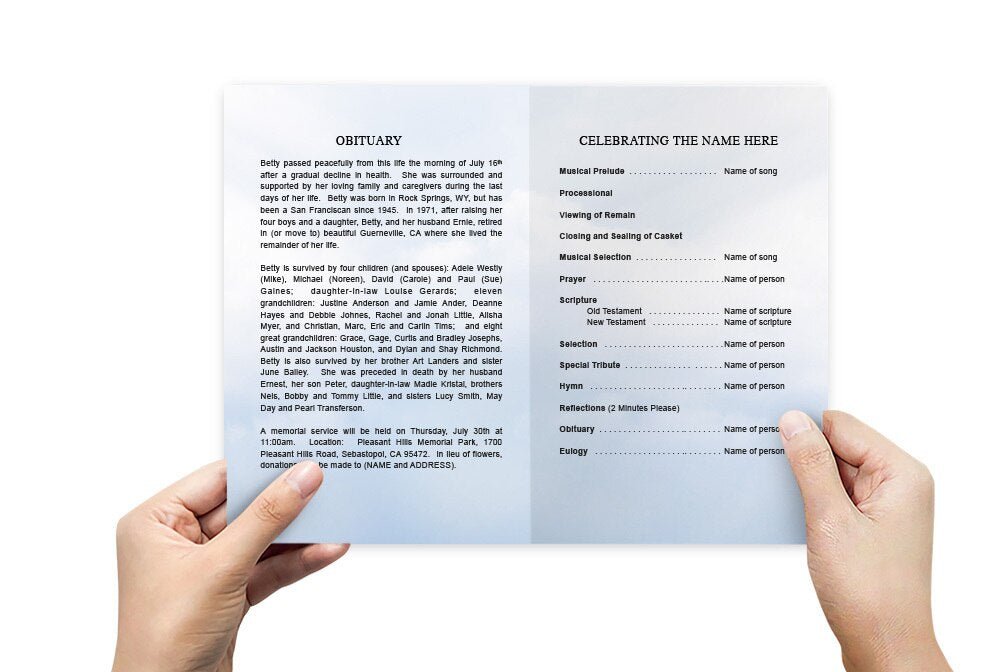
1. Layout and Structure – The arrangement of text and images must be clear and balanced. Sections like the order of service, obituary, and acknowledgments should be easy to find and read.
2. Fonts and Typography – Typography plays a key role in readability. Script fonts can be elegant for headings, while serif or sans serif fonts are best for body text.
3. Color Palette – Colors should match the tone of the service and the personality of the loved one. Muted neutrals suggest formality, while soft pastels or bold tones reflect individuality.
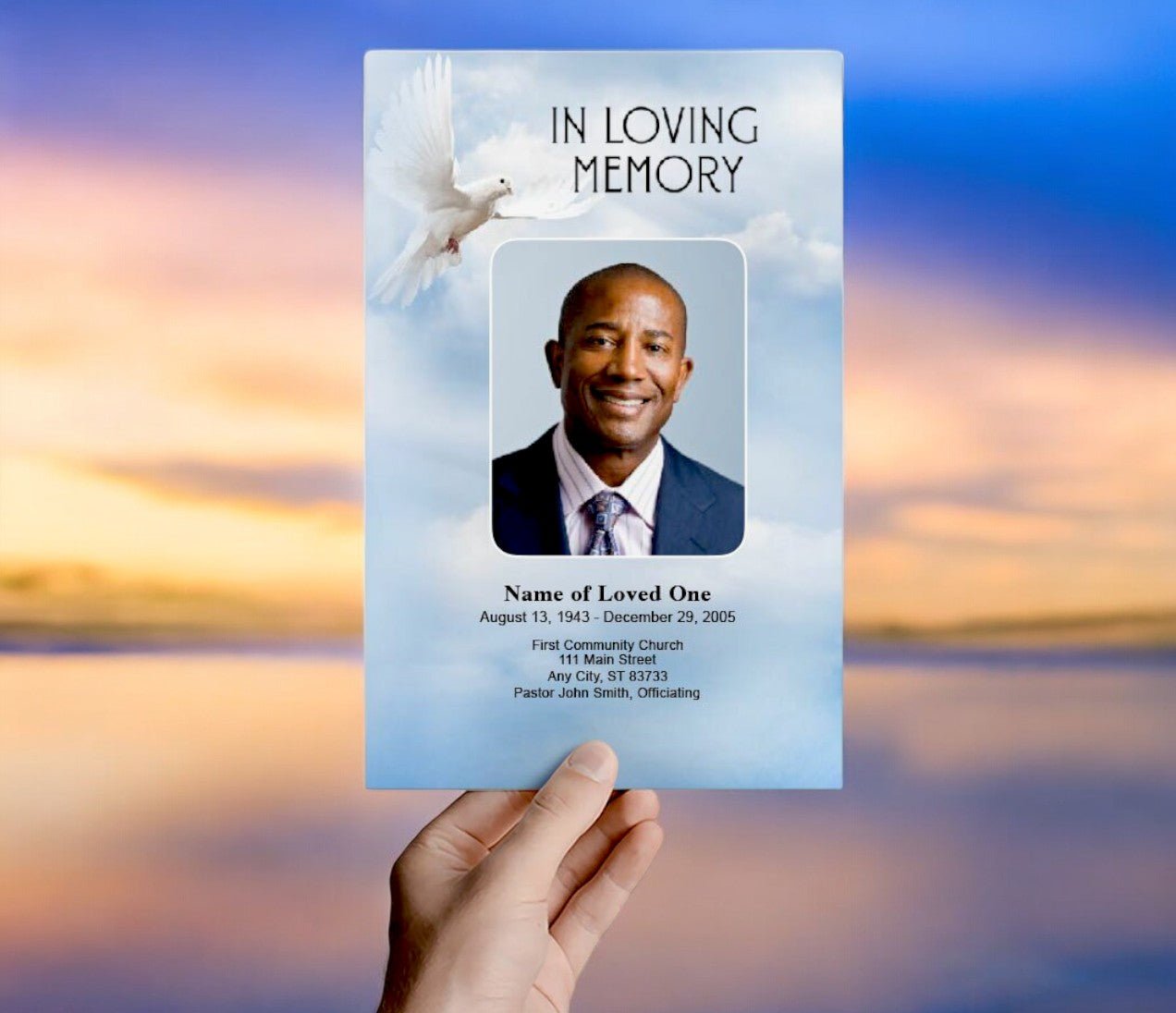
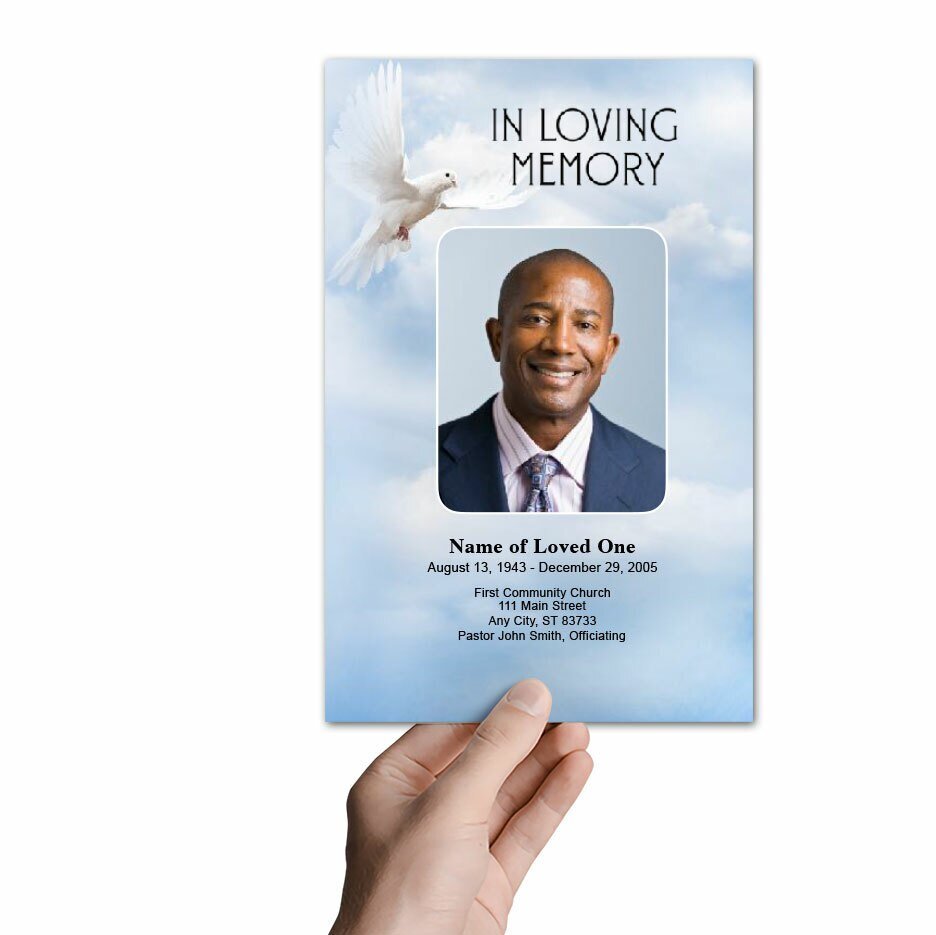
4. Imagery and Symbols – Religious icons, cultural motifs, or hobby-related images personalize the program. For example, floral designs may honor a gardener, while patriotic themes honor veterans.
5. Paper and Finish – The tactile feel of the program adds to its impact. Premium matte, glossy, or textured finishes ensure durability and keepsake value.
Reflecting Personality Through Design
Every person’s life is unique, and funeral program design should reflect that individuality. Consider incorporating:
-
A favorite flower or color in the background design.
-
A hobby or interest symbolized through imagery.
-
Photos that highlight joyful moments and milestones.
These design elements not only personalize the program but also provide comfort to attendees by reminding them of the loved one’s life and character.
Traditional vs. Modern Designs
Families today can choose between classic, traditional designs or modern, minimalist layouts.
-
Traditional designs often include ornate borders, script fonts, and religious imagery. They convey elegance and formality, ideal for faith-based services.
-
Modern designs lean toward clean lines, bold typography, and subtle backgrounds. These appeal to families seeking simplicity and contemporary aesthetics.
The right choice depends on the family’s preference and the personality of the deceased. In many cases, blending elements of both styles achieves a balanced look.
The Role of Templates
Templates simplify the design process during a time when families may feel overwhelmed. Professionally crafted templates provide structure while allowing customization in fonts, colors, and images. Using a trusted resource like the Funeral Program Site, families can choose from a wide range of designs, ensuring the final program feels polished and meaningful without the stress of starting from scratch.
Templates also ensure that essential sections—such as the obituary, order of service, and acknowledgments—are formatted clearly, reducing the risk of errors and ensuring the program flows smoothly.
Common Mistakes to Avoid
When designing a funeral program, certain pitfalls can diminish its effectiveness:
-
Overcrowding the page with too much text or too many photos.
-
Using fonts that are difficult to read.
-
Choosing colors that reduce contrast between text and background.
-
Neglecting to proofread names, dates, and service details.
Avoiding these mistakes ensures the program remains both beautiful and functional.
The Emotional Impact of a Well-Designed Program
Beyond aesthetics, design choices have emotional power. A program with a thoughtful color scheme, heartfelt photos, and clear structure helps attendees engage with the service. It also provides a sense of peace, showing that care and effort went into honoring the deceased. Families often find comfort knowing that the program reflects their loved one’s legacy with dignity.
Final Thoughts
Choosing the right design for a funeral program is a meaningful step in the planning process. The design communicates respect, personality, and remembrance, turning a simple handout into a lasting keepsake. By considering layout, fonts, colors, imagery, and paper quality, families can ensure their programs provide both clarity and emotional impact.
For those seeking professional templates and guidance, the Funeral Program Site offers a wide variety of customizable designs that combine practicality with beauty. With expert support and compassionate service, it ensures that every program reflects the life being honored in the most fitting way.
About the Author
Christi Anderson is the founder of The Funeral Program Site and an author dedicated to helping families create meaningful memorials. With years of experience in funeral stationery and personalized tributes, she has guided thousands of families through the process of honoring their loved ones with dignity. Explore her books and resources on her Amazon Author Page.