Memorial Buttons: A Keepsake Worn From the Heart

When someone we love passes, people often look for ways to honor their memory in ways that feel personal, visible, and lasting. Memorial buttons offer exactly that: a wearable token of remembrance that carries image, name, dates, and sentiment. These small pins or badges are more than accessories—they are reminders, symbols of love, and testimonies of legacy.
Within this article, we’ll explore what memorial buttons are, why they matter, how to design one that truly honors a loved one, how to integrate them into services, and how Funeral Program Site supports families in creating meaningful memorial buttons (see design examples via the links below).
What Are Memorial Buttons?
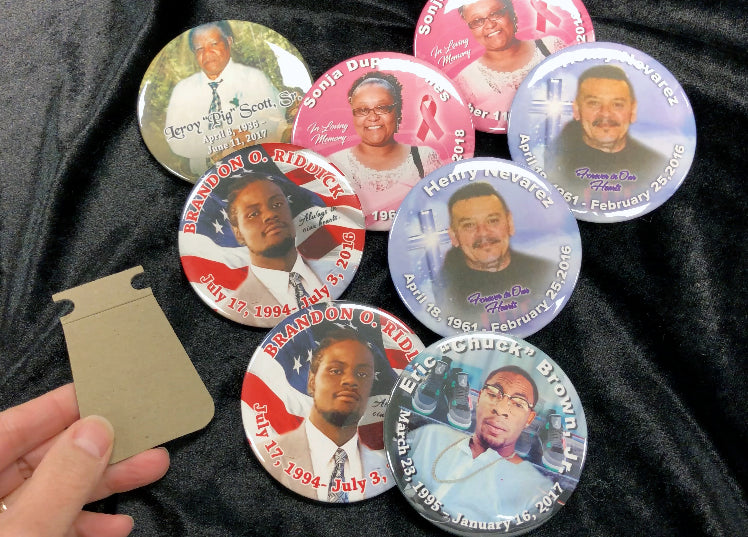
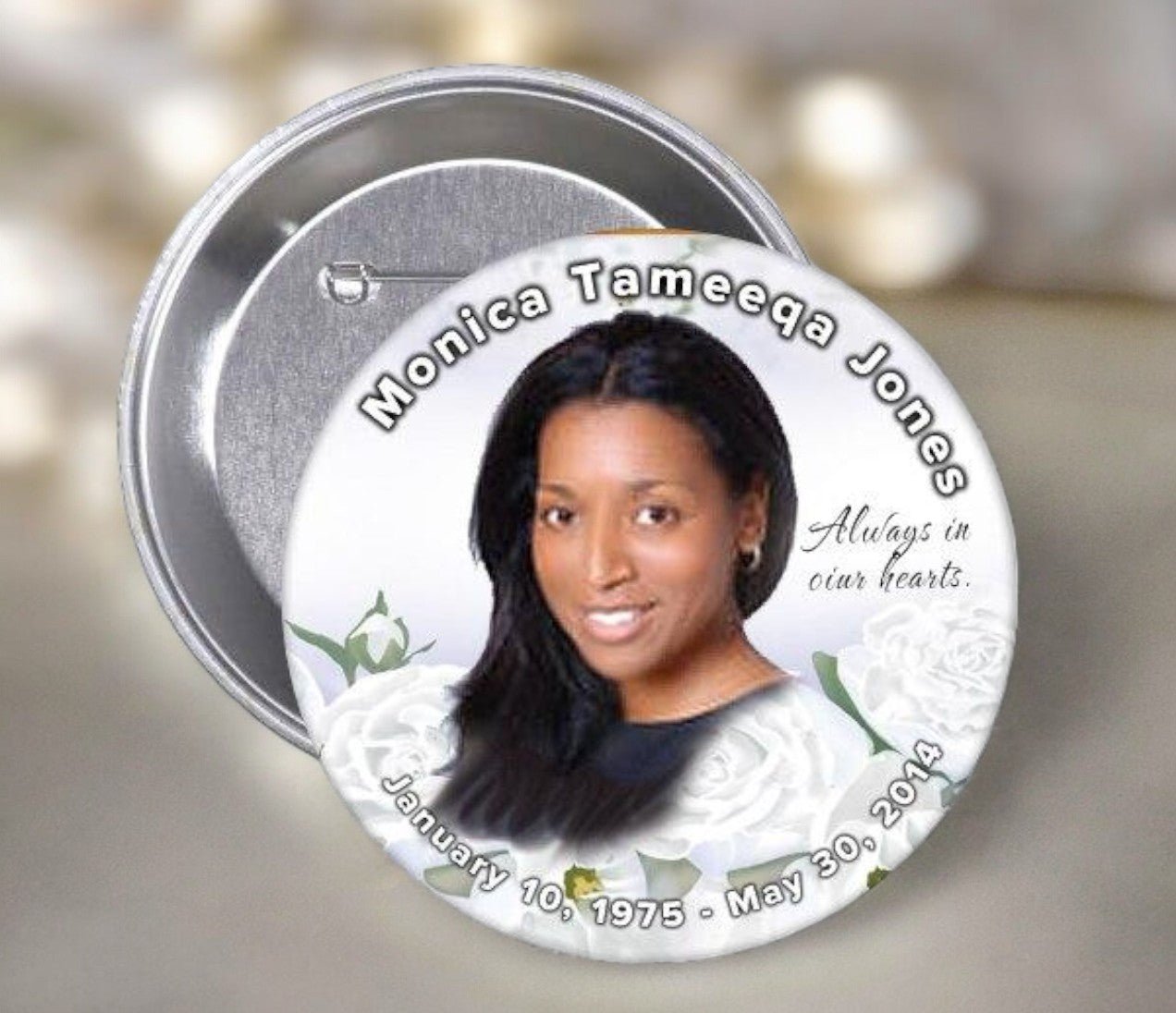
A memorial button is typically a round or shaped pin/badge featuring a photograph or likeness of the deceased, their name, sometimes dates of birth and passing, and often a short phrase or symbol of remembrance. Loved ones or attendees of a funeral or memorial event wear them to show solidarity and remembrance. Buttons may also be kept afterward as keepsakes or displayed on memory tables.
The appeal of memorial buttons lies in their simplicity and visibility. They are tangible, wearable, and personal—invoking memory each time they are seen or worn. Research and examples from memorial keepsake experts confirm that these buttons serve emotional and communal roles: they comfort mourners, help people feel connected, and preserve memory in a visible, wearable way. The Funeral Program Site+2Remembrance Keepsakes+2
Why Memorial Buttons Matter
Shared Grief and Visible Remembrance
When many people attending a service wear matching buttons, there is a visual expression of shared loss and solidarity. Seeing others wear the same image or message—whether on a lapel, a shirt, or a bag—reinforces the idea that you are not alone in your grief.
Personalization and Identity
Because memorial buttons often include a photo, name, or even a meaningful quote, they allow families to reflect the individual’s personality. A photo of a favorite moment, a nickname people loved, a beloved symbol (cross, bird, flower, music note) or favorite colors—all of these make buttons deeply personal keepsakes.
Keepsake Value
Years after the funeral, people often hold onto memorial buttons. They may keep them in memory boxes, scrapbooks, or wear them on significant anniversaries. A well-made button becomes part of how one remembers, especially when photographs fade or digital memories shift.
Emotional Healing
Designing or selecting a memorial button gives families a concrete task in the midst of grief. It invites remembering, choosing, and affirming. For many, this process is healing: selecting photos, wording, symbols stimulates conversation, brings memories forward, and provides something to hold both physically and emotionally.
Designing Memorial Buttons: Key Principles
To make a memorial button that truly honors someone, several design and material choices matter. Attention to detail ensures the button looks dignified and conveys the message as intended.
Photo & Image Quality
Use a high-resolution, well-lit, clear photo. The face should be recognizable; avoid overly busy or distracting background. If resizing is needed, be sure not to distort or crop in a way that damages the integrity of the image. Sometimes a clean portrait works best; other times a candid photograph that captures personality may be more meaningful.
Text & Message
Include essential information: name, possibly dates, perhaps a short phrase (“Forever Loved,” “In Loving Memory,” etc.). Keep text concise so it remains legible when printed small. Font choice matters: readable fonts (serif or clean sans serif) for smaller text, decorative fonts can be used sparingly for headings or accent lines.
Size, Shape & Finish
-
Size: Buttons are often 2.25″ to 3″ diameter, which gives enough room for image + text without crowding.
-
Shape: Round is standard, though heart-shaped or oval variants are sometimes used depending on design sensibility.
-
Finish: Glossy vs matte; pin back vs magnet back; durable materials help ensure the button lasts without fading or damage.
Color & Symbolism
Colors evoke emotion. Soft tones (blues, greens, neutrals) may offer calm; brighter colors might reflect a celebratory or joyful memory. Imagery or symbols tied to the person’s life—religious icons, nature elements, hobbies—can communicate more than words alone.
Material, Durability, & Production Quality
Choose materials that resist wear: good backing, protective surface (laminated or sealed if needed), coating to prevent scratch or fading. If buttons are to be worn outdoors or pinned on clothing that moves, durability is especially important. Also allow adequate lead time for production to avoid rushed errors.
How to Use Memorial Buttons in Funeral or Memorial Services
Buttons are most effective when incorporated thoughtfully into the service or gathering.
-
Distribution at the Ceremony: Provide buttons at the entrance so guests can wear them during the service. This creates unity, visible tribute.
-
Memory Table or Keepsake Table: Display buttons along with pictures, guest books, candles; guests may take a button or leave one for the family to distribute.
-
Include in Printed Materials: Pairing buttons with the funeral program, brochure, or memorial package can make them part of a cohesive memorial theme.
-
Take-Home Keepsakes: After the service, attendees may keep buttons; extras may be sent to distant family members.
-
Anniversary & Commemorative Use: Over time, buttons can be reused at anniversary services or memorial gatherings, continuing the legacy.
Best Practices & Tips from Funeral Program Site
Families who partner with Funeral Program Site benefit from experience in creating buttons that are high-quality, emotionally resonant, and professionally produced. They help with:
-
Photo review: ensuring the image resolves well at small size.
-
Design mockups: showing how text and image balance, how color choices look.
-
Material options: helping choose finish, backing style, quantity.
-
Proofing: checking spelling, dates, alignment, layout.
-
Reliable production and delivery, so buttons arrive in time for the service.
You can see examples of memorial button design, layout ideas, and finished product visuals through the buttons displayed at this link and this gallery, which help families envision what their own buttons might look like.
Common Mistakes & How to Avoid Them
Even with heartfelt intention, some mistakes can reduce the dignity or impact of a memorial button:
-
Using low-resolution images that become blurry or pixelated. Always verify image quality.
-
Overcrowding text or putting too many elements so the button becomes visually busy; simplicity often reads better.
-
Choosing fonts that are hard to read at small scales.
-
Using color combinations with poor contrast (light text on light background, or dark text on dark background).
-
Ordering too few or too many; poor planning around quantity, especially if some guests are remote.
-
Rushing production, which can lead to delays or errors.
Careful planning, mockup review, quality checking, and using experienced services help avoid these issues.
Costs & Budget Factors
Creating memorial buttons involves several cost layers. Understanding them helps families make choices that balance budget with quality.
-
Size and quantity: bulk orders reduce per-button cost.
-
Material and finish: premium materials, special finishes cost more.
-
Design complexity: custom graphics, special symbols, or additional elements (e.g. metallic accents) increase cost.
-
Turnaround time: faster production or shipping often comes at higher cost.
-
Optional add-ons: packaging, stands, display items, magnetic backings, etc.
When working with a provider like Funeral Program Site, transparency about pricing helps families make informed decisions and avoid unexpected costs.
Emotional & Cultural Considerations
Memorial buttons carry emotional weight. Their design and distribution should align with cultural or religious customs when relevant.
-
In some traditions, certain symbols, colors, wording are preferred or avoided.
-
Some people may feel emotional exposure wearing photography-based buttons; respect preferences for how visible or public the remembrance should be.
-
Be mindful of privacy and dignity in image selection and text wording. Family consent for photo use is essential.
-
Words should be respectful, accurate; dates checked twice; name spelling confirmed.
Long-Term Legacy & Keepsake Use
After the service, buttons often outlast the formal memorial event. They can become cherished keepsakes:
-
Worn on significant days, anniversaries of passing.
-
Kept in memory boxes, photo albums.
-
Displayed at home—on lapels, bags, frames, shadow boxes.
Because memorial buttons are small but tangible, they serve as accessible reminders. A well-made button holds up physically and emotionally over time.
Conclusion
Memorial buttons may be small in size, but they are big in significance. They marry visibility with memory, personalization with community, grief with solace. When thoughtfully designed and crafted, they become wearable tributes that comfort the living and honor the departed.
For families seeking high-quality, meaningful memorial buttons, Funeral Program Site offers design support, material options, and examples to guide decisions. Viewing finished button design galleries such as those shown here and here can help you see what's possible and choose options that feel right for your loved one.
Author Bio
Christi Anderson is the founder and creative lead at Funeral Program Site, where she helps families design memorials, programs, buttons, and keepsakes with professionalism, empathy, and craftsmanship. Her work combines design expertise and heartfelt storytelling. Read more of her authored works at her Amazon author page.