Wearing Memory: The Role and Power of Memorial Buttons

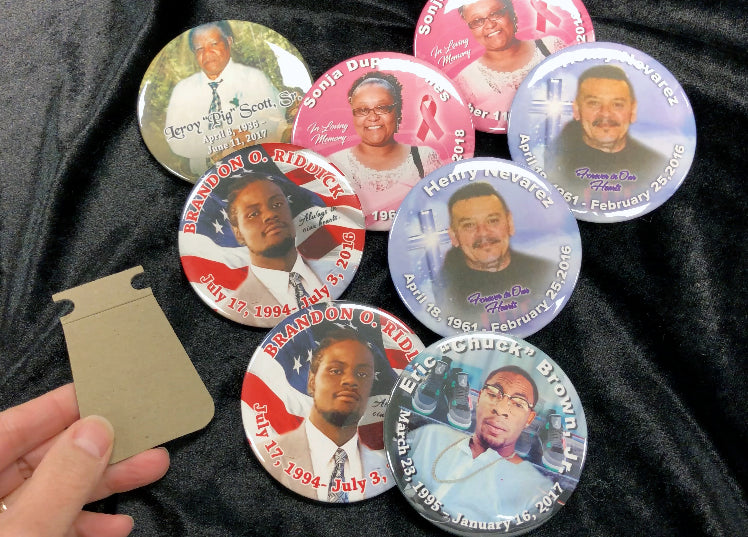
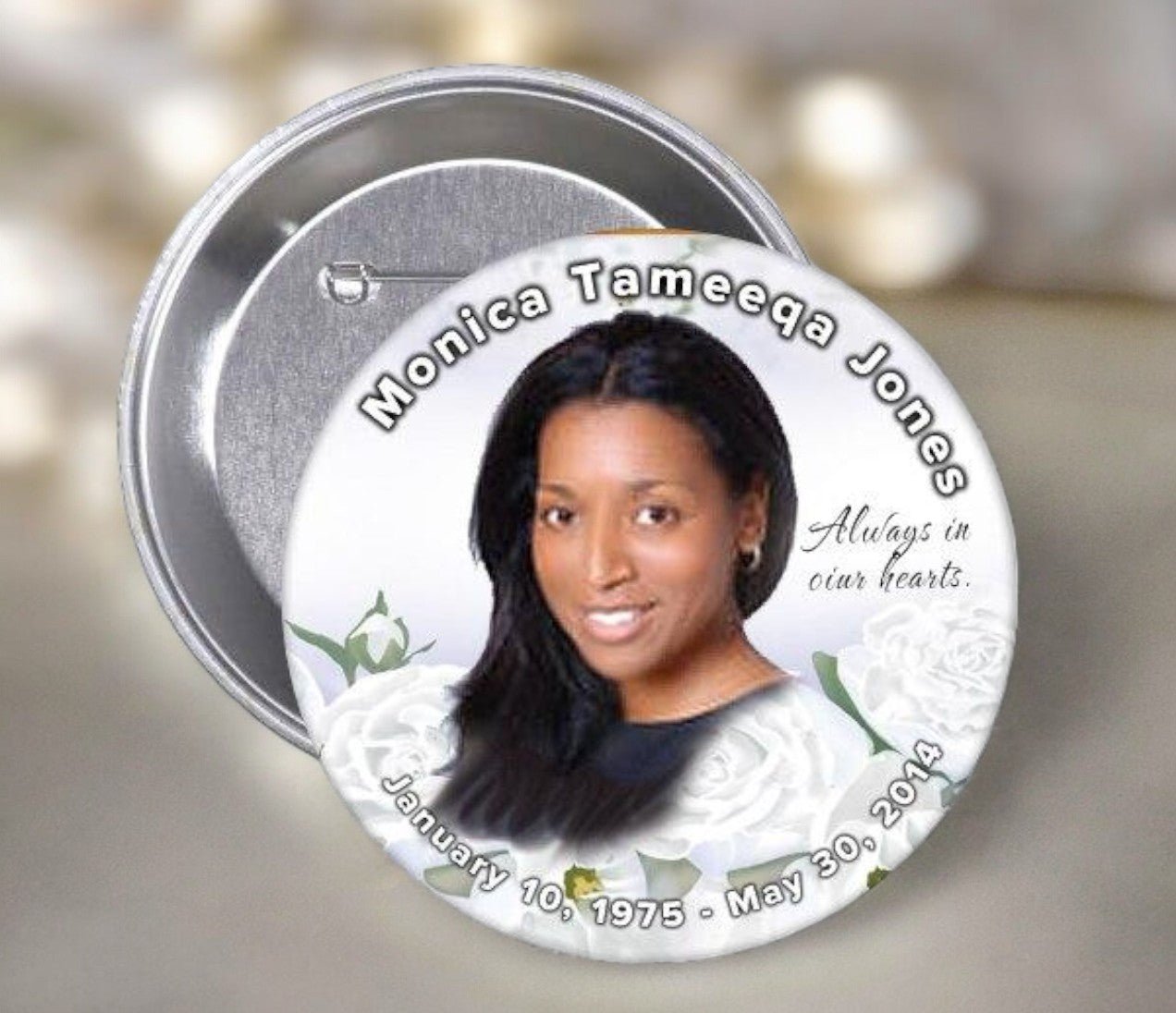
When someone passes away, families often want something more than words alone to honor the person’s life—something tangible, visible, and personal. Memorial buttons fill that role beautifully. These small pins or badges featuring a photo, name, dates, sometimes a brief phrase, become wearable tributes. Friends and family wear them to services, or keep them as keepsakes, helping to keep memory alive in a visible way.
For many, memorial buttons are more than just accessories—they are symbols of love, unity, remembrance, and identity. A well-designed button can serve both as a comforting memento during a memorial service and as a cherished piece that people revisit in later years.
What Makes a Memorial Button?
A memorial button usually includes a few core elements:
-
A photograph or portrait of the person being remembered
-
The person’s name, often with birth and death dates
-
A short phrase or message (for example, “Forever Loved,” “In Loving Memory,” or a quote meaningful to the departed)
-
Sometimes symbolic imagery (flowers, doves, hearts, religious symbols)
-
Optional design elements: favorite colors, motifs reflecting interests or personality
These elements combine to create something personal and meaningful. When done with high quality, the final product not only looks dignified, but holds emotional resonance for those who receive or wear it.
Why Memorial Buttons Matter
1. Shared Remembrance
Wearing a button creates visible connection. Guests arriving at a service seeing others wearing the same button feel a sense of unity. It shows collective respect and grief, helps people feel less alone in mourning.
2. Personal Expression
Buttons allow for personalization in a way more casual keepsakes might not. Choosing a photo, phrase, symbol, or color that was meaningful to the person gives the button an element of their personality. It becomes more than “just a picture”—it’s a statement about who they were.
3. Keepsakes & Long-Term Memory
After the service, many people keep buttons in memory boxes, scrapbooks, or wear them again on anniversaries. Because they are tangible, buttons can anchor remembrance. Fade-resistant images, durable materials, and thoughtful design mean the button continues to carry meaning years later.
4. Emotional Process
Designing memorial buttons is often part of the grief journey. Picking photos, choosing words, deciding how a person wants to be remembered—that process can help survivors reflect, share memories, and find small ways to create something positive out of loss.
Designing Memorial Buttons: Tips & Best Practices
Here are factors to focus on if you or someone making buttons wants them to be meaningful, readable, and lasting.
Photo choice & image quality
-
Use a high-resolution image where the person is clear and recognizable.
-
Avoid photos that are overly dark, blurry, or have distracting backgrounds.
-
Prefer portraits or moments that show personality.
Text & Messaging
-
Keep the text concise. Because buttons are small, you don’t have a lot of room. Name, one date or both dates, maybe a short phrase works best.
-
Choose legible fonts. Script fonts may look elegant, but must remain readable at small sizes. Sans serif or serif fonts with good contrast often perform better.
Symbolism & Visual Elements
-
Include motifs meaningful to the person: maybe a symbol from faith, nature, hobby, or something they loved.
-
Color choices matter: soft, muted palettes often feel respectful; brighter accents can reflect joy or vibrancy depending on what fits the person’s personality.
Size, Shape & Finish
-
Common sizes are around 2.25″ to 3″ in diameter for round buttons. Larger sizes allow more detail; smaller sizes feel more discreet.
-
Shape: round is standard, though some choose oval, heart-shaped, square depending on design.
-
Finish: glossy, matte, or soft touch finishes. Also consider durability (pin backs, secure fasteners).
Material & Durability
-
Use materials that resist wear: good metal or plastic backing, protective top layer.
-
If buttons may be exposed to moisture or handled often, coating or sealants help.
Quantity & Timing
-
Estimate how many people will likely want one: guests, family, attendees. Order extra copies.
-
Allow enough lead time: designing, proofing, manufacturing, shipping. Rushed production often leads to errors or lower quality.
Creative Ideas & Innovations
Here are some creative ideas people often use to make memorial buttons more meaningful:
-
Use a collage: multiple portraits, or combine a portrait with images of things they loved (nature, pets, hobbies)
-
Incorporate QR codes linking to online memorial pages, photo galleries, or video tributes
-
Produce different versions: one design for immediate family, another simpler version for guests
-
Pair buttons with other keepsakes: matching bookmarks, prayer cards, or even brochures, creating a memorial “suite”
-
Use unique finishes: soft matte finish, metallic accents, raised or laminated surfaces
The goal is to reflect the person’s life—not just the fact of their passing, but what made them who they were.
How Funeral Program Site Helps Create Memorial Buttons
Designing a meaningful memorial button involves many small decisions—image selection, layout, text, materials, production timeline. That’s where Funeral Program Site comes in. Their expertise helps families navigate these decisions and produce buttons that are both beautiful and durable.
They offer design guidance, template examples, photo review, proofing, and high-quality production. Families can view finished example buttons to get ideas. With the visualization shown here and here, clients can see what design elements work—image placement, text layout, font size, color balance—for memorial buttons that are meaningful and dignified.
Practical Workflow for Making Memorial Buttons
Here is a step-by-step plan to go from concept to finished button:
-
Choose the main photo(s) and symbols you want to use
-
Decide on the button size, shape, and finish (glossy, matte, etc.)
-
Select font(s) and short message/phrase alongside name and dates
-
Create mock-ups or previews—see how text overlaps photo, how legible things are at size
-
Proofread—with family or friends—to ensure name spellings, dates, and layout are correct
-
Decide on quantity; allow for extras for keepsakes
-
Order from a trusted provider with good reviews and quality materials
-
Plan distribution: at the funeral or memorial, with programs, via a memory table, or mailed afterward if needed
What to Avoid & Common Missteps
-
Using low-quality images—pixelated or too small—will degrade when printed
-
Overcrowding text, squeezing many words into a small button makes it hard to read
-
Choosing hard-to-read fonts or colors with poor contrast
-
Forgetting to double-check names, dates, or spelling—it’s emotionally painful when errors appear
-
Waiting too long to order, leading to rushed jobs or quality compromises
Emotional & Cultural Considerations
It’s important to respect how different people view remembrance. Some cultures/religions prefer subtle symbolism, others prefer bold visuals. Names and photos should reflect what the family wants.
Also consider that buttons may evoke strong emotions. Some attendees may feel comforted; others may find it difficult. Distribution should be done kindly. Always ensure consent around photographs.
Legacy Beyond the Service
Buttons aren’t just for the day of the service. They often become lasting treasures. People keep them in memory boxes, scrapbooks; wear them on anniversaries; give them to children or relatives. Because of that, the choices made in design and material matter for long-term value.
Conclusion
Memorial buttons are small in size, but large in meaning. They let us wear memory, carry identity, and display remembrance in a visible, personal way. When designed thoughtfully—with quality images, respectful text, appropriate size and materials—they become both symbolic and durable tributes.
If you’re considering creating memorial buttons for your loved one, Funeral Program Site offers guidance, quality examples, and production capability to help. Seeing how the buttons look, how designs are balanced and printed (as in the galleries at the links above) can guide you toward making a tribute that the wearer will carry with meaning—not just on the day, but long into memory.
Author Bio
Christi Anderson is the founder and creative director of Funeral Program Site. With years of experience in memorial stationery, keepsakes, and tribute design, she helps families create memorial items—buttons, programs, printed materials—that carry emotional impact, clarity, and lasting beauty. Visit her Amazon author page to view her published works.