The Funeral Booklet: What It Is and Why It Matters
Christi Anderson
A funeral booklet (also called a program or order-of-service booklet) serves as both a symbolic keepsake and a functional guide. As guests arrive at a service, the booklet helps them understand what will happen, when, and who will be speaking or performing. Beyond that, it becomes a tangible remembrance—a printed memory that many families hold onto, revisit, or pass down.
Because of its dual purpose—practical and memorial—the quality of a funeral booklet matters. Thoughtful wording, clean design, accurate details, and meaningful imagery all contribute to both honoring the life that once was and helping mourners feel more grounded during a difficult time.
Providers that specialize in funeral stationery, such as the team behind Funeral Program Site, offer high-quality booklet designs and templates. Their services (you can view them via links like this one and this one) supply families with options to create booklets that are elegant, respectful, and personalized.
Key Components of a Funeral Booklet
To make a funeral booklet both useful and heartfelt, there are certain elements you should consider including. These sections help the booklet flow logically, honor the deceased fully, and comfort those who attend.
-
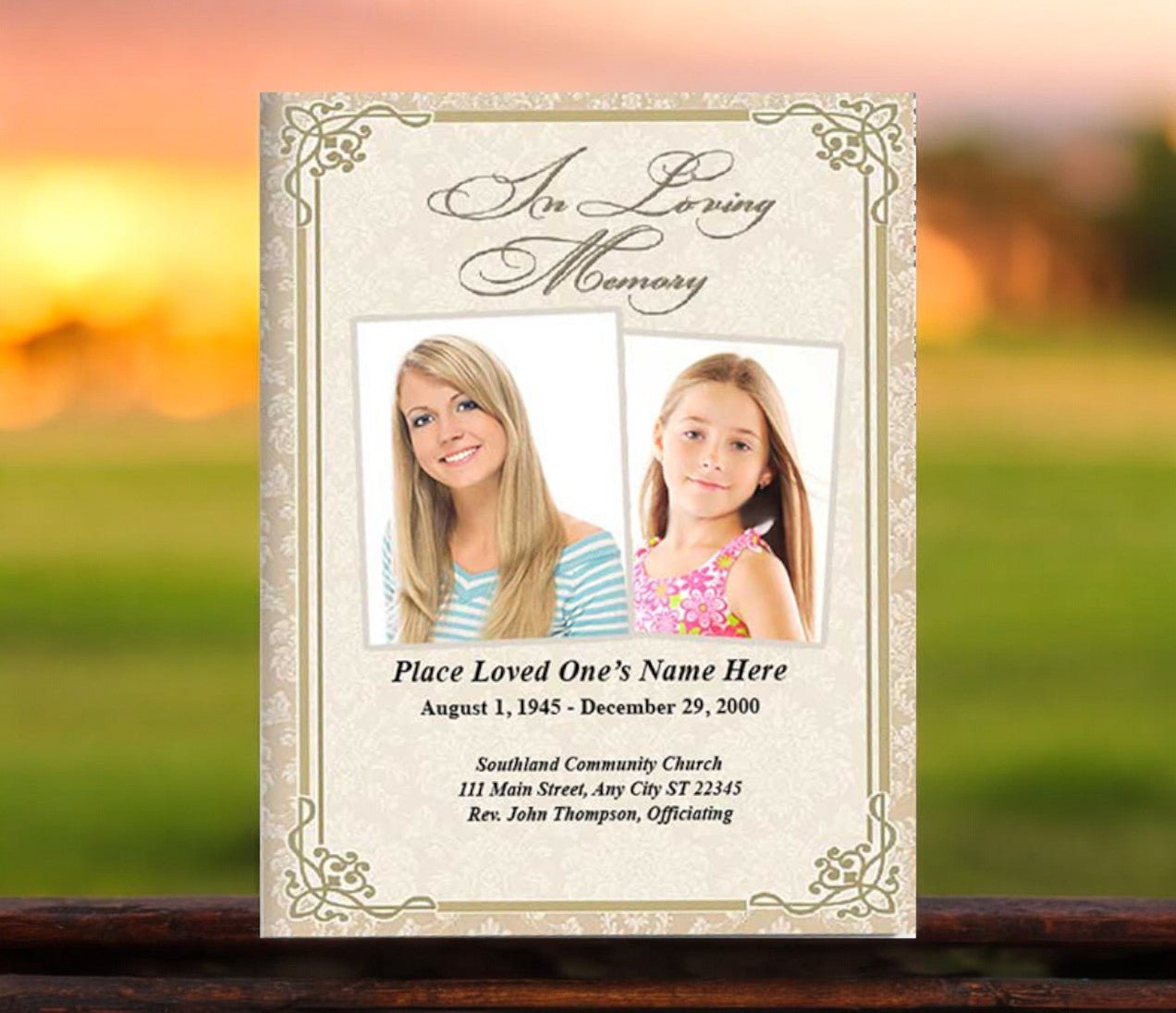
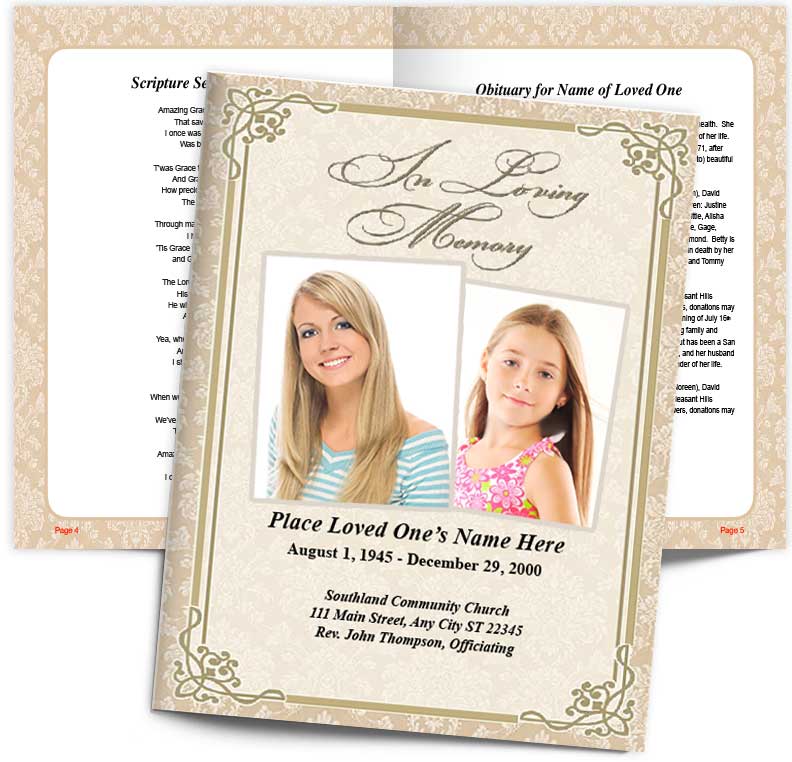
Cover Page
-
Full name of the person who passed (including middle names or maiden names if relevant)
-
Dates of birth and death
-
A photograph (a high quality, well-lit image helps)
-
A title or phrase such as “In Loving Memory,” “Celebrating the Life of…,” or something personal they valued
-
-
Order of Service
-
A clear timeline of the service: welcomes, prayers, readings, music, speeches (eulogies or tributes), hymns or songs, closing words, etc.
-
Names of speakers, officiants, musicians so guests know who is part of the service
-
-
Biography / Obituary
-
Key life facts: birthplace, education, professional life, community or religious involvement
-
Personal traits, hobbies, passions—things that made them unique
-
Names of surviving and predeceased family members
-
-
Readings / Poems / Verses
-
Meaningful selections: religious scripture, favorite poem, inspirational quote, song lyrics if appropriate
-
If including full texts, ensure they fit aesthetically and don’t crowd the layout
-
-
Photos
-
One main cover photo + a few additional inside the booklet showing different periods of their life
-
Consider candid as well as polished portraits to give a fuller sense of personality
-
-
Acknowledgments / Thanks
-
Thank those who provided care, support, visits, prayers, etc.
-
Names of people who contributed significantly to the service (e.g. officiant, musicians, church or staff)
-
-
Practical Information
-
Location, date, time of the service, burial, or reception
-
Optional: directions, parking info, contact info, perhaps a note about flowers vs. donations if desired
-
-
Closing / Final Sentiment
-
A final message: could be a prayer, a quote, or simple goodbye
-
A note to guests (thanks for coming, for sharing in memory, etc.)
-
Design & Tone: How to Make It Feel Right
Beyond what content to include, tone and layout shape how the booklet will be received and remembered.
-
Tone: Decide whether the booklet feels solemn, celebratory, spiritual, or a blend. If the person had a strong sense of humor, personality, or favorite sayings, it can be appropriate to include a lighter line or anecdote, balanced with dignity.
-
Fonts & Readability: Use legible fonts; avoid overly decorative styles for body text. Headings may be more artistic but should still be readable. Adequate font size, especially for older attendees, is essential.
-
Color and Imagery: Color schemes can reflect personality or preferred aesthetics. Subtle color accents often work well. Imagery (photos, backgrounds, borders) should complement the text—not distract. If religious symbols or motifs are meaningful, include them with sensitivity.
-
Layout and Paper: Booklet formats can vary from simple bifold (one fold) to more pages. Thicker paper or cardstock gives durability and dignity. Matte or semi-gloss finishes often feel more elegant and are easier to read under varied lighting.
-
Proofreading and Accuracy: Mistakes can be deeply painful—misspelled names, wrong dates, misaligned photos. Having several people review the draft is good practice.
The Process: Planning & Creation
Creating a trusting process helps families manage the emotional and practical tasks of designing a booklet.
-
Gather Content Early
Collect photos, full names with correct spellings (including family members), preferred readings or poems, and a rough version of the order of service. If possible, ask friends or family for memories or favorite sayings. -
Choose Format / Template
A good template gives structure and reduces stress. Services like Funeral Program Site provide templates or full design help. Using one cuts down the need to design from scratch but allows for customization. -
Design Draft
Insert content into the template. Place photos, choose headings, decide on picture placement. Build a mock-layout to see spacing, what feels crowded, etc. -
Review & Revise
Share with others who knew the person. Make sure names, dates, readings are all correct. Adjust layout if something feels off (e.g. text too small, photo quality low). -
Finalize & Print / Prepare Digital Version
Once content is set, approve the design. Print enough copies for attendees, plus extras for family or keepsakes. Also consider a digital version for those unable to attend or for preserving memories. -
Distribution
Have booklets ready at the venue for guests as they arrive. Offer extras. If digital, share via email or a memorial website.
How Funeral Program Site Helps
When a family is organizing a funeral booklet, working with experienced designers reduces uncertainty. The offerings from Funeral Program Site include well-designed templates, editing support, high-quality printing, and matching items. Because of their experience, they anticipate common pitfalls—ensuring designs are printable, photos high resolution, colors accurate, content complete. Their services help families focus less on logistics and more on meaning.
By using their templates or custom designs (accessible via the links you shared), families can choose a direction (tone, style, layout) and then adapt it to reflect their loved one’s life. Whether the booklet is sleek and modern, rustic, religious, or deeply personal, the design tools and support aim to make the booklet both beautiful and dependable.
Meaning and Legacy: What a Funeral Booklet Leaves Behind
After the service, a booklet is more than paper. It becomes part of how a person is remembered—a piece people hold onto, revisit in quiet moments, share with children, or keep in memory boxes. It reminds those who attend of the words said, the songs sung, the laughter shared, and the love that remains.
For many, booklet creation is also part of healing. Building the booklet means reflecting on life, gathering memories, choosing photos. It allows families to honor their loved one with intention, to craft stories, to affirm identity. What may seem like small details (font, photo layout, wording) often become cherished precisely because of the thought put into them.
In Conclusion
A funeral booklet is more than a schedule of events—it’s a memorial piece, a tribute, and a keepsake. Creating one with care, clarity, and intentional design helps those who mourn feel supported, helps guests follow the ceremony, and provides something lasting that honors the person who has passed.
Providers with experience, like Funeral Program Site, make the process smoother—supplying templates, design expertise, printing, and support so that families can focus on love and memory rather than worry. With good preparation, thoughtful content, and respectful design, a booklet becomes more than paper—it becomes part of a life remembered.