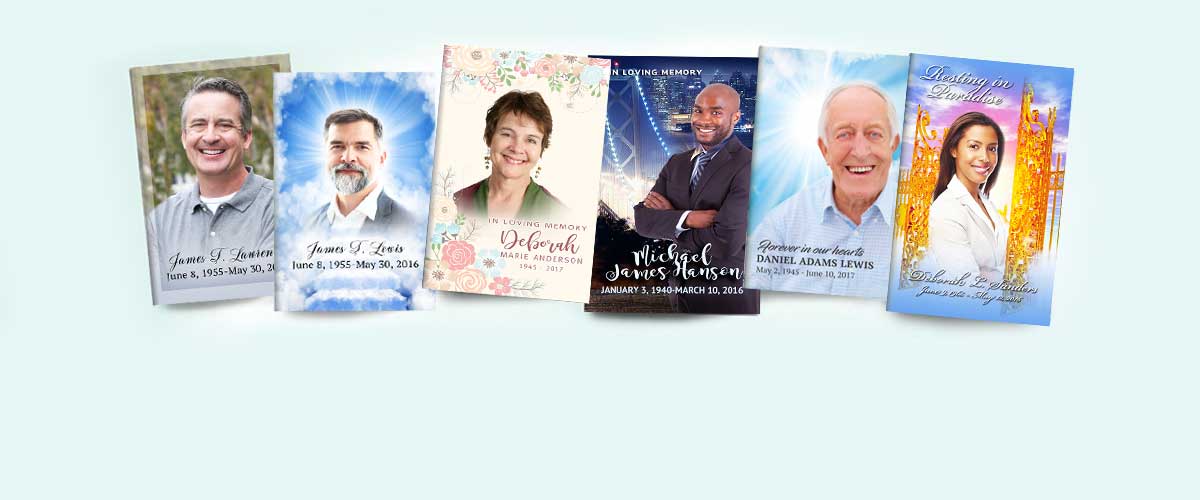
Custom Funeral Programs: A Lasting Tribute of Love and Memory

Losing someone you love brings emotional upheaval and uncertainty. In these moments, families often search for meaningful ways to honor and celebrate the life that was lived. One of the most powerful and lasting memorials is the custom funeral program—a personalized document that transcends logistics to become a cherished keepsake of love, memory, and legacy.
These programs are far more than simple schedules. They are carefully curated narratives that encapsulate the essence of an individual—through photos, stories, quotations, and designs that reflect who they were and what they meant to others. A thoughtfully created custom funeral program becomes both a comfort during the grief-filled days and a sentimental heirloom preserved for years.
1. Why Custom Funeral Programs Matter
Traditional funeral handouts typically include a brief order of service, names of speakers, and perhaps a short obituary. They serve a purpose, but lack emotional depth. On the other hand, a custom funeral program transforms grief into tribute. It captures personality, milestones, and legacy in a tangible—and highly personal—format.
Creating one allows families to tell a story: childhood memories, life achievements, family anecdotes, favorite hobbies, or meaningful quotes. It empowers those grieving to channel sorrow into creativity and remembrance. More than that, these keepsakes offer solace to attendees—especially those who may not be present in person—as they carry the beauty and spirit of the ceremony into their own homes.
2. Key Components of a Custom Funeral Program
While every program is unique, the most effective include these core elements:
-
Front Cover Design: Name, birth and death dates, a meaningful quote or scripture, and a photo.
-
Life Biography or Obituary: A thoughtfully written summary capturing major life events.
-
Order of Service: Songs, speakers, eulogies, and rituals in sequence.
-
Photo Gallery: A collage spanning childhood, family celebrations, travels, and meaningful moments.
-
Tributes / Personal Messages: Reflections or feelings shared by family and friends.
-
Inspirational Readings: Poems, scripture, or lyrics that resonated with the deceased.
-
Acknowledgments: Gratitude expressed to caregivers, clergy, and attendees.
-
Final Panel: A farewell quote or thank-you message, possibly with details on service location or legacy initiatives.
Design can incorporate background motifs like flowers, flags, landscapes, or personal symbols—creating a visual tone that matches the person’s style and story.
3. The Emotional Power of Personalization
Personalizing a program serves multiple emotional purposes:
-
Reflection and Healing: Binging names, pictures, stories, and loved quotes together helps families navigate grief through memory.
-
Collective Participation: Involving relatives and friends in contributing photos or stories brings unity and shared remembrance.
-
Legacy Building: Kids and grandchildren revisit these programs to learn about family history and emotional lineage.
-
Silence of Presence: Giving programs to distant friends or those unable to attend provides comfort and connection.
Custom funeral programs act as artifacts of love—they preserve a life’s worth of meaning in a single, poignant document.
4. Choosing a Format That Reflects the Life Being Honored
The way you format your program influences how it’s read and remembered. Common options include:
-
Bifold: The classic 4-panel style—easy to print and elegant.
-
Trifold: Allows space for more images or text.
-
Booklet-Style: Ideal for detailed biographies and multiple tributes.
-
Tabbed or Accordion Fold: Practical for organizing sections like obituary, gallery, service details, and acknowledgments.
Providers often offer guidance to help families pick a layout that accommodates their content effectively.
5. Professional Help vs. DIY: What Works Best
Designing a program yourself can feel overwhelming when emotions are raw and time is limited. This is why trusted resources like The Funeral Program Site exist—they combine professional templates, customer support, and printing services designed for this exact moment of life.
Benefits of working with a provider include:
-
Expert formatting, ensuring readability and design fidelity.
-
High-quality printing on premium paper.
-
Available digital output for email sharing or memorial websites.
-
Matching tribute items like prayer cards, bookmarks, or posters for cohesive memorial visuals.
-
Compassionate project guidance—especially helpful when nervous or grieving.
For those who prefer a personal touch, user-friendly templates can still yield beautiful results—even without design experience.
6. Practical Steps to Create a Custom Funeral Program
To ensure a seamless process, follow these steps:
-
Gather Content: Select photos, obituary notes, quotes, readings, and service details.
-
Choose Format/Design Style: Bifold, trifold, booklet? Floral, minimalist, patriotic?
-
Work with Templates or Designers: Upload content to a template or submit info to a design team.
-
Review and Approve: Check all spelling, dates, photos, layout—ideally by multiple people.
-
Distribute: Print enough copies for service attendees, plus extras for keepsakes. Share PDF digitally with remote friends or posts online.
-
Store or Donate: Families often preserve printed copies in memory boxes or donate sets to funeral home or church archives.
Custom funeral programs provide both active tributes and quiet moments later.
7. Incorporating Special Touches That Resonate
Many families add deeply personal features:
-
Photo Timeline: Showing life milestones chronologically—birthdays, career highlights, family events.
-
Hobby or Interest Themes: E.g., floral templates for gardeners, nature scenes for outdoors lovers.
-
Favorite Recipes or Poems: A short poem or personal saying the deceased often shared.
-
Cultural or Religious Symbols: Crosses, lotus flowers, flags or native motifs honoring heritage.
These small touches amplify emotional resonance and help attendees better connect to the person being honored.
8. Sharing Digitally and Across Generations
Digital funeral programs play a crucial role today. Families may send PDF versions via email, post them on memorial websites, or stream them during virtual services. A properly formatted digital program provides the same emotional closure in a widely accessible form.
Digital versions can also serve future generations. Stored digitally, these programs remain accessible and printable on anniversaries, family reunions, or for personal reflection long after they are created.
9. Choosing a Trusted Resource for Design and Printing
Working with a memorial design expert brings peace of mind. Providers like The Funeral Program Site offer both templates and comprehensive design services, ensuring:
-
Beautiful, high-resolution layouts
-
Fast turnaround times during urgent needs
-
Options for printed and digital delivery
-
Matching sets of memorial items (prayer cards, banners, thank-you notes)
-
Customer support specifically trained for compassionate assistance
Visiting their examples and design platform helps families envision the final result before committing.
10. Why Custom Funeral Programs Become Treasured Keepsakes
-
Emotional Resonance: Recipients return to them for comfort.
-
Family Legacy: Children and grandchildren revisit them to connect with family history.
-
Visual Reminder: Photos and quotes serve as anchors for memory.
-
Heirloom Quality: Printed on archival paper, these programs often endure decades.
-
Thank-You Source: Speakers often use content from programs when offering their tributes.
These programs endure not just for one day—they become relics of devotion.
11. Overcoming Common Concerns
"I'm not a designer. Can I still create something meaningful?"
Yes. Many online platforms offer editable templates with simple interfaces, so visual design is handled.
"We don’t have many photos or stories."
Minimalist programs with heartfelt quotes or scriptures can be just as impactful.
"We’re planning remotely."
Digital collaboration tools let multiple family members contribute content and stories online.
"It’s too expensive."
Even simple DIY programs offer significant emotional return on investment—it’s not about lavishness, but authenticity.
Final Thoughts: A Tribute That Endures
Creating a custom funeral program is one of the most intentional and heartfelt ways to honor a person’s life. It represents care, remembrance, and personal legacy in a tangible form. Whether designed by hand or guided by professional designers, the result is a document that holds meaning beyond the moment—extending comfort, history, and hope.
If you’re ready to begin crafting a personalized, lasting tribute, consider exploring trusted platforms that understand both the emotional gravity and the creative process of memorial tribute design. These programs serve not just as tools—they serve as tokens of remembrance, love, and connection across time.
About the Author
Christi Anderson is the founder of The Funeral Program Site and a dedicated expert in memorial design and tribute creation. Her decades of experience helping families honor their loved ones with integrity and creativity has made her a respected voice in the field. Discover more of her guides and published work on her Amazon Author Page.