Funeral Prayer Cards: A Timeless Symbol of Comfort and Memory

In moments of loss, people seek comfort in tradition, memory, and connection. One of the most enduring and meaningful elements of a memorial service is the funeral prayer card. These small, heartfelt keepsakes offer mourners something tangible—an enduring reminder of the person they came to honor.
Funeral prayer cards hold a unique place in memorial rituals. More than just paper, they represent remembrance, comfort, and sometimes, healing. Whether distributed at a church, funeral home, or celebration-of-life event, these cards blend personal tribute with spiritual reflection. Designed with care, they leave a lasting impact on all who receive them.
To see examples of modern design, explore this thoughtfully curated collection of funeral prayer cards. These templates demonstrate how a simple card can speak volumes through scripture, images, and names that carry deep emotional weight.
What Are Funeral Prayer Cards?
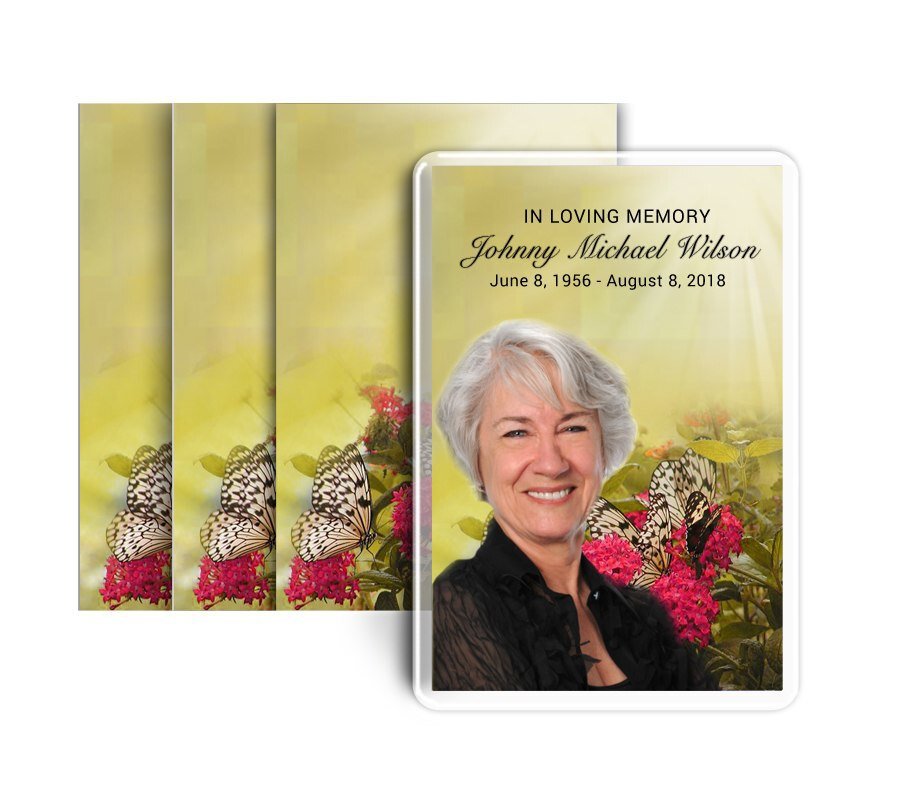
Funeral prayer cards—also called memorial cards, remembrance cards, or holy cards—are small, printed tributes often distributed during or after a funeral service. Typically measuring around 2.5 x 4.25 inches, they are easy to hold, carry, and preserve.
A funeral prayer card generally includes:
-
The full name of the deceased
-
Birth and death dates
-
A prayer, scripture, poem, or quote
-
A photograph or symbolic image
-
Optional information like the funeral date or epitaph
Their size makes them easy to slip into a wallet, Bible, or keepsake box, allowing the memory to stay close at hand long after the service.
Why Funeral Prayer Cards Are Meaningful
Though small, funeral prayer cards serve several powerful purposes.
First, they provide emotional comfort. A well-chosen prayer or verse can offer spiritual reassurance to grieving hearts. These cards remind mourners that they are not alone, that others share their sorrow, and that love endures.
Second, they function as lasting keepsakes. When the flowers have faded and the service is over, a prayer card remains. Whether stored in a memory book or carried daily, it becomes a cherished link to the past.
Lastly, funeral prayer cards honor the individuality of the deceased. Each design decision—wording, colors, images—is an opportunity to reflect that person’s spirit, faith, and life story.
For more inspiration, the gallery at funeral prayer cards features meaningful examples in a variety of themes and styles, from religious to contemporary.
Key Elements of a Funeral Prayer Card
Every prayer card is unique, but several core elements appear in most designs:
1. Name and Dates
Include the full name, date of birth, and date of death. These details anchor the card in memory and history.
2. A Prayer or Verse
This is the emotional center of the card. Families often choose scripture such as:
-
Psalm 23: “The Lord is my shepherd; I shall not want.”
-
John 14:1–3: “Let not your heart be troubled…”
Alternatively, many include popular funeral poems such as “Afterglow,” “Do Not Stand at My Grave and Weep,” or “Safely Home.”
For secular services, personal reflections, favorite quotes, or even lyrics from a meaningful song can be deeply touching.
3. A Photo or Religious Symbol
Most cards include either a photo of the deceased or an illustration such as a dove, cross, or floral design. The image can be centered, faded into the background, or framed—depending on the overall layout.
4. Elegant Layout and Design
Simplicity is often best. Choose readable fonts and calming colors like soft blues, muted greens, lavender, or ivory. Avoid cluttering the card with too much text or imagery.
5. Optional Information
Some families choose to add the date and location of the service, the officiant’s name, or a personal epitaph such as “Forever in our hearts.”
Designing a Funeral Prayer Card
There are multiple ways to create a card that honors your loved one.
Use a Template
Many families begin with a professionally designed template. These layouts ensure the right balance of content, imagery, and white space. Most online platforms allow instant customization with your chosen text and photo.
Custom Design
If you want a card as unique as the person you're honoring, consider working with a graphic designer or a memorial printing service. A custom layout allows you to include special elements—such as background textures, custom prayers, or symbolic patterns—that reflect your loved one’s personality.
DIY Approach
Using software like Canva, Microsoft Word, or Adobe Illustrator, you can build a simple funeral prayer card yourself. Be sure to use high-resolution images and double-check all text for accuracy.
Printing Tips
Use high-quality cardstock (80–110 lb), and opt for a matte or satin finish to minimize glare and enhance readability. Laminated versions are a popular choice for durability, especially if the card will be carried daily.
Distribution and Display
Funeral prayer cards are typically handed out at the service, either at the entrance or laid on each chair. You can also:
-
Include them in funeral programs
-
Mail them with thank-you notes to guests or distant family
-
Place them in baskets at a memorial table for attendees to take home
-
Frame a card alongside a portrait at the reception
There’s no right or wrong way—only what feels right for the family.
Religious and Cultural Flexibility
Though rooted in Catholic and Christian traditions, funeral prayer cards have expanded across faiths and belief systems.
Catholic Cards often feature saints, rosaries, and traditional prayers like the Hail Mary or Prayer for the Faithful Departed.
Protestant Cards may highlight scriptures, hymns, or verses that were significant to the deceased.
Jewish Memorial Cards tend to be minimalist, occasionally including Hebrew blessings or Psalms.
Muslim Cards may feature Arabic text, Quranic verses, and peaceful imagery.
Secular or Spiritual Cards often contain poetic reflections, affirmations, or personalized messages that celebrate the individual’s life philosophy.
Matching with Other Memorial Stationery
To create a cohesive tribute, families often coordinate the prayer card with other printed materials such as:
-
Funeral programs
-
Guest books
-
Memorial bookmarks
-
Thank-you cards
-
Portrait boards or slideshows
Matching fonts, imagery, and color palettes help unify the presentation and honor your loved one with elegance and care.
Choosing a Trusted Source
During a time of grief, simplicity and reliability matter. That’s why many families turn to trusted services like The Funeral Program Site or Celebrate Prints for ready-made templates and fast turnaround. These companies specialize in funeral printing and can help ensure every card is respectful, professional, and beautiful.
Some services offer:
-
Same-day printing and shipping
-
Digital downloads for DIY printing
-
Customization assistance
-
Religious and non-religious themes
Always confirm delivery timelines, especially if you’re on a short schedule before the service.
The Lasting Power of a Prayer Card
It’s easy to overlook something as small as a prayer card, but its power can be lifelong. For many, it becomes a daily reminder of someone they deeply loved—a touchpoint in times of sorrow or reflection. A simple glance at the card may trigger memories, prayers, or smiles.
Long after the funeral is over, funeral prayer cards continue to serve their purpose. They connect generations, preserve legacy, and remind us that while life is fleeting, love and memory endure.
About the Author
Christi Anderson is the founder of The Funeral Program Site, a leader in memorial design templates and printed tributes. With more than 15 years of experience, Christi has helped thousands of families create beautiful, lasting remembrances. She is also the author of several grief support and funeral planning guides.
You can view her full collection of resources on her Amazon Author Page.