Funeral Prayer Cards: Honoring Loved Ones with Grace and Meaning

When someone passes away, families often seek meaningful ways to remember and celebrate their loved one’s life. One such way is through the use of funeral prayer cards—small yet powerful mementos that blend personal tribute, spiritual comfort, and enduring memory.
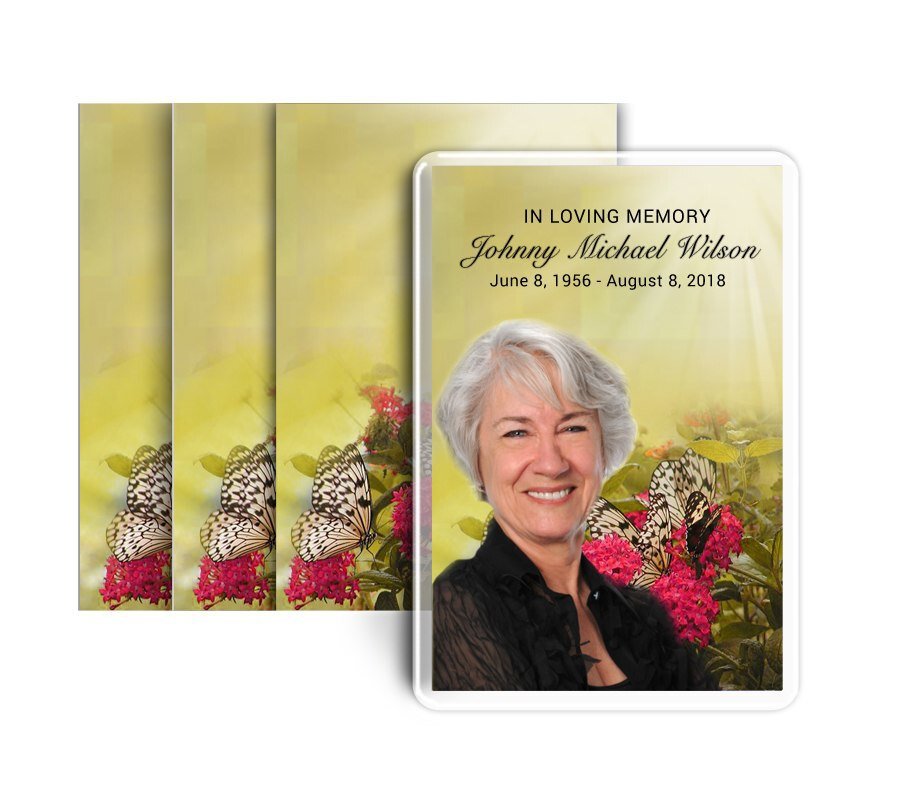
These cards typically feature the person’s name, a meaningful verse or prayer, perhaps a photo, and a gentle design. They are distributed during services, offering mourners something tangible to carry with them—both physically and emotionally.
For inspiration, there's a streamlined reference at this quick-access link to funeral prayer cards. And if you're looking for more hands-on examples and downloadable templates, you can explore a collection of card designs hosted in this shared Drive folder of funeral prayer cards.
Origins and Significance
The tradition of funeral prayer cards traces back centuries, beginning with Catholic Church “holy cards” that contained saintly imagery and litanies. Over time—especially by the 19th century—the practice evolved with advances in printing, becoming more personalized and widely used during funerals.
Modern iterations often include custom photographs, uplifting poems, or spiritual reflections that resonate with the person’s life and values. Their continued use stems from their ability to offer spiritual connection and preserve memory in a deeply personal way.
Why Funeral Prayer Cards Matter
Spiritual Solace
Cards often feature comforting scriptures, traditional prayers, or heartfelt poems that offer words of peace during grief.
Personal Keepsake
In the weeks and years following a service, these cards become treasured tokens—stored in Bibles, wallets, or scrapbooked into tribute albums.
Meaningful Tribute
Unlike any general keepsake, funeral prayer cards are designed with intention, reflecting the beliefs, personality, or spirit of the person remembered.
Core Elements of a Funeral Prayer Card
-
Personal Details
Include the full name, birth and death dates, and optionally a phrase like "In Loving Memory" to frame the tribute. -
Prayer or Verse
Popular choices include Psalm 23, “The Lord is my shepherd…”, or lines from beloved poems like Afterglow or Do Not Stand at My Grave and Weep. They can also include original tributes written by family members. -
Imagery
A photograph is a powerful addition. If not using a photo, symbolic artwork—doves, crosses, flowers, skies—can carry emotional resonance. -
Design & Readability
Select soft color palettes, legible typography, and a balanced layout to evoke serenity and respect. -
Material Quality
Use durable cardstock (around 80–110 lb), preferably with a matte or satin finish for a refined touch. Laminating may help with preservation.
Designing Funeral Prayer Cards: Options for Every Approach
-
Template-Based
Start with a pre-made, customizable layout—just add your text and photo. The g.co shortcut link offers quick access to such templates. -
Custom Design
For a personalized result, work with designers or local printers who offer tailored options based on your aesthetic and text preferences. -
DIY Editing
Platforms like Canva or Microsoft Word let you create your own version—ideal if you have a specific vision. Use high-res images and double-check all text. -
Print & Finish
Select quality materials and consider finishes like soft-touch coating or lamination. Some services offer same-day printing for urgent needs.
Distributing Funeral Prayer Cards Thoughtfully
Here are common ways to share them:
-
Placed on each seat before the service begins
-
Handed to attendees upon arrival
-
Included inside memorial programs
-
Mailed with thank-you cards to those who couldn't attend
-
Displayed at a memory table or reception area for guests to take
These small acts help extend the memory and connection beyond the ceremony itself.
Adapting Across Faiths and Cultures
Funeral prayer cards are versatile, making them accessible across spiritual and cultural traditions:
-
Christian/Catholic: Commonly include prayers like “Eternal Rest” or “Hail Mary” alongside religious imagery.
-
Protestant/Non-denominational: Often feature comforting scripture or personalized messages.
-
Secular: May use poetry, quotes, or reflections that capture the spirit of the person.
-
Other Faiths: Adapt with culturally relevant texts—Jewish Psalms or Hebrew blessings, Muslim verses, Hindu symbols, etc.
Creating a Unified Memorial Experience
For cohesive presentation, match your prayer card’s design with related items such as:
-
Funeral programs or bulletins
-
Guest books or memory albums
-
Memorial bookmarks or thank-you cards
-
Photo panels or slideshow transitions
Consistent use of fonts, colors, and imagery enhances thematic harmony and emotional impact.
Preservation and Legacy
Families often keep a digital backup of the card design for future reprints or memorials. The shared Drive folder with funeral prayer cards templates is perfect for this purpose. It allows families to retain or access their chosen designs across time and circumstances.
Final Thoughts
Funeral prayer cards are small in size but vast in meaning. They provide comfort, preserve memory, and honor a loved one in a deeply personal and tangible way. Thoughtful design, careful wording, and thoughtful distribution can transform these cards into long-lasting tokens of love, reflection, and faith.
About the Author
Christi Anderson is the founder of The Funeral Program Site, specializing in memorial design and grief support. With over 15 years of experience, she guides families toward thoughtful tributes with grace and care. She is also the author of books covering funeral planning, remembrance strategies, and legacy design.
Discover her collection on her Amazon Author Page.