Funeral Prayer Cards: How to Choose Meaningful Wording and Design

Funeral prayer cards are small keepsakes that carry big meaning. They become a cherished message that mourners hold onto long after a service concludes. Choosing the right wording, layout, and design can transform a simple card into a comforting reminder of love, memory, and faith. This article is a practical, in-depth guide to help you create funeral prayer cards that feel personal, readable, and respectful.
Before you begin designing, you may want to read a full guide on how to choose wording and layout for funeral prayer cards that includes tone, length guidance, and practical examples.
What Are Funeral Prayer Cards?
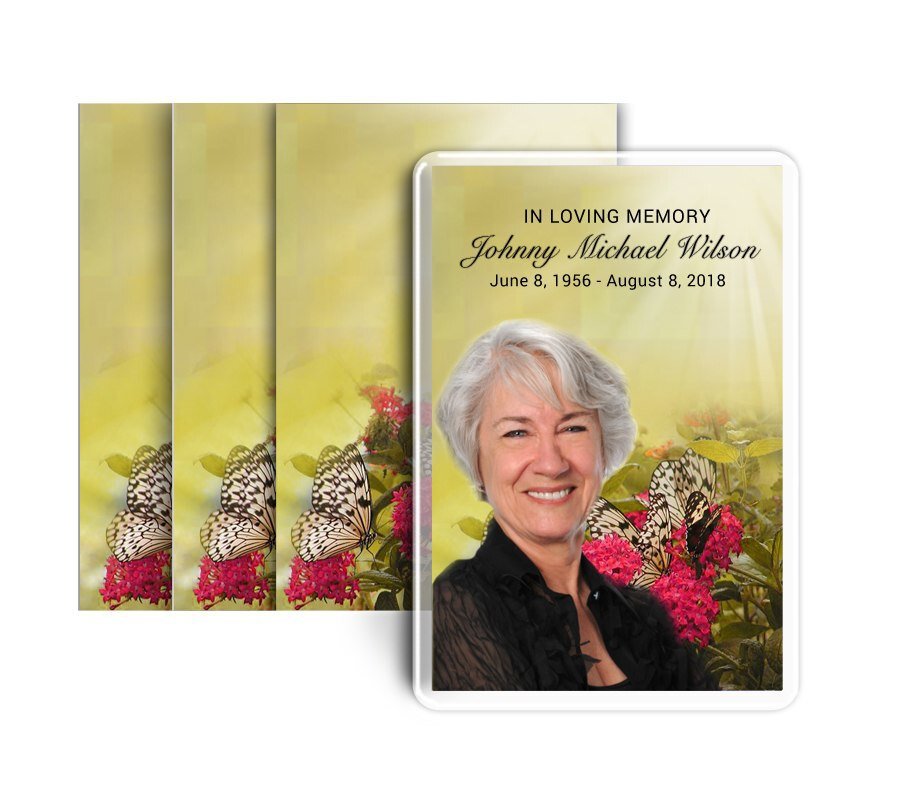
Funeral prayer cards are small printed cards given to attendees at a memorial service or funeral. Typically, one side features a photo of the person who has passed, and the other side displays a verse, poem, prayer, or blessing. The purpose is both practical and emotional: it gives mourners something to hold as they remember, reflect, and revisit the words of comfort later.
These cards often accompany funeral programs and other memorial stationery, but they stand apart because they are designed to be kept and treasured. For more detail on choosing the right verse or poem for your funeral prayer cards, including tips on matching tone and faith traditions, visit the linked guide.
Why Funeral Prayer Cards Matter
A funeral is a shared experience of loss, memory, and connection. Funeral prayer cards serve several emotional and practical purposes:
- Comfort: Short passages of scripture or a gentle poem can provide solace in a tender moment.
- Remembrance: They become keepsakes that family members and friends might keep in a wallet, Bible, or memory box.
- Identity: Words can reflect the personality, faith, and values of the person who has passed away.
- Continuity: Prayer cards often echo the themes of the service or funeral program.
If you want a cloud-hosted resource with examples and a clear workflow for selecting fitting wording, see a companion page on funeral prayer cards.
How to Choose the Right Wording
Choosing wording is often the most challenging part of making funeral prayer cards. This article breaks the process into manageable steps so you feel confident in your choice rather than overwhelmed.
1. Decide the Tone First
Start by asking: What do I want people to feel when they read this card? The tone can be:
- Faith-centered and hopeful
- Quiet and comforting
- Reflective and personal
- Universal and inclusive
Clarifying the tone sets the direction for your wording selection. For example, a scripture verse often feels faith-centered, while a short poem may feel reflective or personal.
2. Keep It Short and Readable
Funeral prayer cards are physically small. Too many words can look crowded and feel heavy rather than comforting. A good rule of thumb is to choose wording that someone can read silently in one calm breath.
If you are drawn to a longer poem or reading, consider including just a stanza or selected lines on the card itself. The full text can always be placed in a program, on a memorial board, or in another printed record of the service. To explore length and space considerations in detail, refer to the full resource on funeral prayer cards.
3. Choose Words That Reflect the Person
A prayer card feels most meaningful when it sounds like the person it honors. Think about how people described them in life: gentle, strong, generous, funny, compassionate, etc. Choose wording that aligns with those qualities. If they loved a specific prayer, quote, or sacred passage, that’s often a comforting choice.
4. Make the Text Comfortable to Read
Beyond choosing words, how the words appear on the card matters. Use clear line breaks, a legible font, and enough white space so the card doesn’t feel cluttered. Older guests especially appreciate larger, easy-to-read text. If a photo background is part of your design, ensure enough contrast so the words remain visible and crisp.
Example Wording Categories
Below are common categories of wording used on funeral prayer cards. Each serves a slightly different purpose and tone:
Scripture Excerpts
These are excellent when faith played a central role in the person’s life. Short passages from well-known scriptures can feel rooted in hope and promise.
Short Poems
Poems often feel personal and can capture reflective or tender emotions. A single stanza usually works best for space and readability.
Blessings or Simple Quotes
A short blessing, aphorism, or simple quote can feel welcoming and inclusive, especially for mixed-belief services.
Family-Written Messages
If nothing you find outside feels right, write a few sentences from the heart. This often becomes the most personal choice because it comes directly from the family’s love and memory.
Quick Decision Table
| Goal | Recommended Wording | Length Tip |
|---|---|---|
| Express deep faith | A short scripture verse | 4–8 short lines |
| Reflect personality | A brief poem stanza | One short stanza |
| Comfort all guests | A universal blessing | Keep it concise |
| Include more text than fits | Excerpt on card + full text elsewhere | Short excerpt only |
| Can’t decide between two options | The choice that reads clearest | Shorter is usually clearer |
Layout Tips for Funeral Prayer Cards
The design of your card affects how people experience the words. Here are practical layout tips:
- Line breaks: Break text into short lines instead of long paragraphs.
- Margins: Keep generous margins so text does not feel cramped.
- Contrast: Ensure text color contrasts with the background.
- Font size: Use a readable font size, especially for older attendees.
- Preview at actual size: Look at the card physically before printing to confirm readability.
Thoughtful layout shows respect for both the words and the people receiving the card. It ensures that the message feels calm, clear, and welcoming at first glance.
Printing and Distribution
Once you finalize wording and layout, you’ll need to decide how to print and distribute your funeral prayer cards. Many families choose professional printing to ensure crisp text and vibrant photo quality. Local print shops can often produce quality cards quickly, or online services offer affordable bulk printing options.
Funeral prayer cards are typically handed out at the service entrance or placed on seats inside the venue. Some families also include them in memorial mailings or in keepsake packages for close relatives.
Care and Consideration
Creating funeral prayer cards is an act of care—you are choosing words that will be held, read, and felt by people in grief. Take your time with the choice. Consult family members, consider the service setting, and test readability before printing. Often, a quiet conversation about what wording feels right leads to clarity and comfort for everyone involved.
Online Resources for Inspiration and Guidance
If you want detailed examples, layout suggestions, and a structured process for choosing wording, the following cloud-hosted guides can help:
- funeral prayer cards — a full walkthrough with examples and guidance.
- funeral prayer cards — another hosted guide with layout tips.
- funeral prayer cards — companion resource for choosing verses or poems.
- funeral prayer cards — additional cloud-hosted version covering the same topic.
Conclusion
Funeral prayer cards are more than stationery—they are keepsakes of love, memory, and comfort. Choosing the right wording and layout takes thought, but it is a lasting tribute to a life that mattered. Whether you use scripture, a short poem, a simple blessing, or heartfelt sentences written by the family, your intention and care will be felt in every word a guest holds. With the guidance provided here and in the linked resources, you have a clear path to creating funeral prayer cards that feel beautiful, meaningful, and respectful.