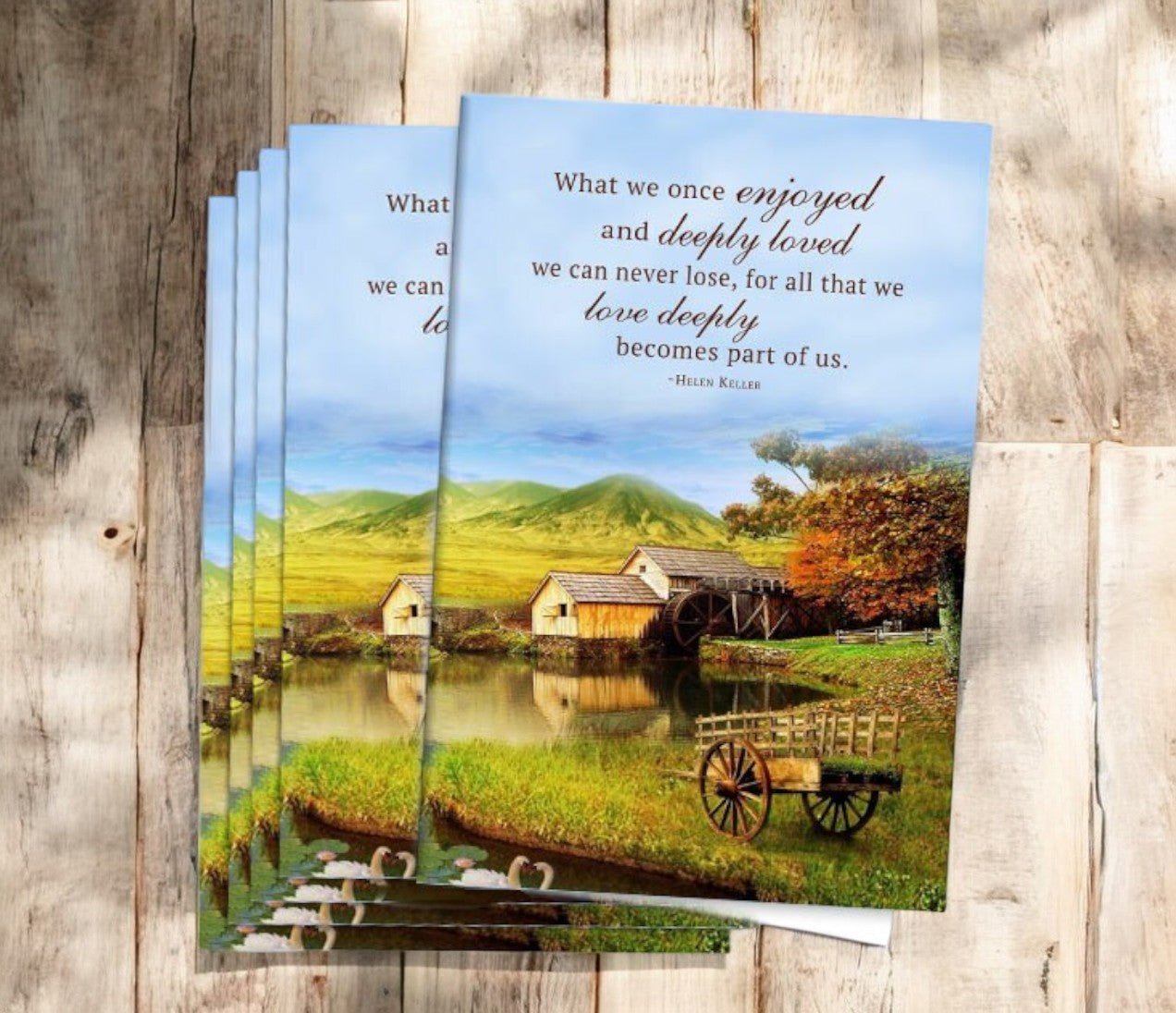
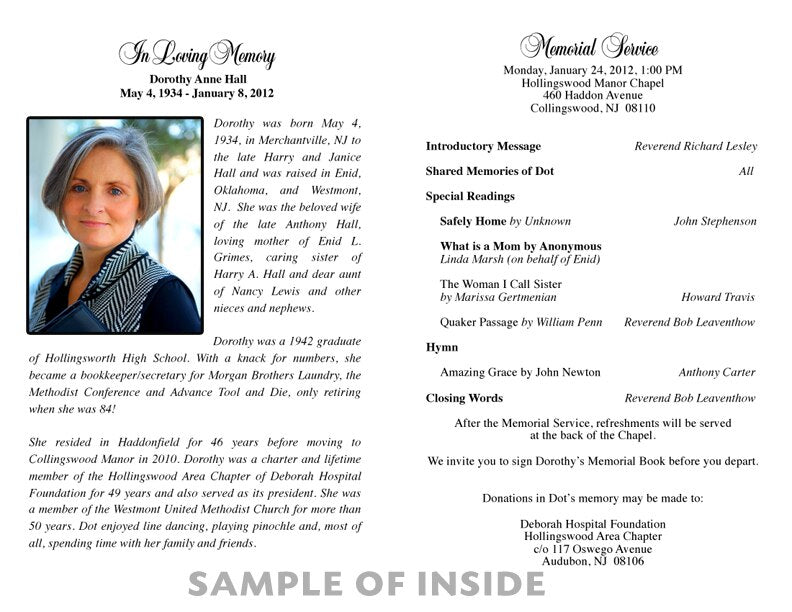
Funeral Program Paper: How to Choose the Right Paper for a Meaningful Keepsake

Choosing the right paper for a funeral program is one of the most overlooked but important decisions families make when preparing printed materials for a service. While wording, photos, and layout receive most of the attention, the paper itself determines how the program feels in the hand, how well it prints, and whether it becomes a lasting keepsake or a fragile handout. Understanding funeral program paper helps families avoid common printing mistakes and create a program that feels thoughtful, readable, and appropriate for the occasion.
Funeral programs are often saved for years as a remembrance of a loved one. Guests may place them in memory boxes, photo albums, or Bibles. Because of this, the paper should not only look good on the day of the service but also hold up over time. This guide explains what funeral program paper is, how to choose the right weight and finish, and what works best for home printing versus professional printing.
What Is Funeral Program Paper?
Funeral program paper refers to the paper stock used to print the program guests receive at a funeral or memorial service. The program may be a bifold, trifold, or booklet-style layout, and the paper must support both printing quality and folding. Paper choice affects readability, durability, and overall presentation.
Unlike standard office paper, funeral program paper is typically thicker and smoother, designed to prevent show-through, curling, and ink smudging. Selecting the wrong paper can result in programs that feel flimsy, wrinkle easily, or crack along fold lines. Selecting the right paper creates a calm, polished appearance that respects the tone of the service.
Why Paper Choice Matters for Funeral Programs
Readability During the Service
During a service, guests often hold programs under varying lighting conditions. Paper that is too glossy can reflect overhead lights, making text difficult to read. Paper that is too thin can allow text or photos from the reverse side to show through. Choosing appropriate funeral program paper ensures hymns, readings, and names are easy to follow without distraction.
Durability After the Service
After the service, programs are frequently kept as keepsakes. Paper that curls, tears, or yellows quickly diminishes the value of the program as a remembrance item. Heavier, high-quality paper maintains its shape and appearance over time, making it more suitable for long-term preservation.
Emotional Impact
The physical feel of a program influences how it is perceived. A sturdy, well-printed program conveys care and intention, even when the service is simple. Paper choice subtly communicates respect for the deceased and consideration for those attending.
Understanding Paper Weight
Text Weight vs. Cover Weight
Paper weight is often described as either text weight or cover weight. Text weight paper is commonly used for brochures and flyers, while cover weight paper is thicker and closer to cardstock. For most funeral programs, a sturdy text weight provides the best balance between durability and ease of folding.
Cover weight paper can be used for a more premium feel, but it may require scoring to prevent cracking at the fold. Home printers may also struggle with heavier cover stocks, increasing the risk of jams or uneven ink coverage.
How Thickness Affects Folding
Folding is a key consideration for funeral programs. Paper that is too thin may crease unevenly or collapse when held. Paper that is too thick may crack or resist folding. Choosing a paper designed for folding helps ensure clean edges and consistent presentation.
Choosing the Right Paper Finish
Matte Finish
Matte paper is the most common and reliable choice for funeral programs. It reduces glare, dries quickly, and resists fingerprints. Matte finishes are especially useful for home printing and services held indoors under artificial lighting.
Satin or Silk Finish
Satin finishes offer a subtle sheen that enhances photo quality without the reflectiveness of glossy paper. This option works well for programs with multiple photos while maintaining good readability.
Glossy Finish
Glossy paper produces vibrant images but reflects light and shows fingerprints easily. It also requires longer drying time and may smudge during folding. Glossy finishes are generally better suited for professional print shops rather than last-minute home printing.
Home Printing vs. Professional Printing
Best Paper for Home Printing
When printing at home, reliability matters. A smooth, sturdy text-weight paper with a matte finish feeds consistently through most home printers and folds cleanly. Choosing funeral program paper designed for brochure or presentation printing reduces the chance of smudges and misfeeds.
When to Use a Print Shop
Professional printing is helpful for large quantities, booklet-style programs, or designs with heavy ink coverage. Print shops can score folds, trim edges, and ensure consistent results. Families who want a premium keepsake or are short on time often find professional printing less stressful.
Common Funeral Program Layouts and Paper Recommendations
Bifold Programs
Bifold programs are the most common format. They work best with sturdy text-weight paper that folds easily and holds its shape. Matte or satin finishes are ideal for readability and ease of handling.
Trifold Programs
Trifold layouts require paper that creases well across multiple folds. Thicker cover stocks may crack unless scored. Text-weight paper is typically the safest choice for this format.
Booklet-Style Programs
Booklet programs often use lighter paper for interior pages and thicker paper for the cover. This combination allows for easy page turning while providing a durable outer layer. Print shops are especially useful for booklet binding.
Quick Reference Table: Funeral Program Paper Choices
| Program Style | Recommended Paper | Finish | Why It Works | Common Issue | Solution |
|---|---|---|---|---|---|
| Bifold | Sturdy text weight | Matte | Easy folding, low glare | Feels thin if paper is too light | Increase paper weight slightly |
| Bifold (photo-heavy) | Premium text weight | Satin | Enhanced photos with minimal glare | Smudging if stacked too soon | Allow drying time |
| Trifold | Flexible text weight | Matte | Multiple clean folds | Panel misalignment | Test fold before printing |
| Booklet | Lighter inside, thicker cover | Matte or satin | Durable keepsake format | Page order errors | Create a mockup |
Common Problems and How to Avoid Them
Smudging and Ink Transfer
Smudging usually occurs when paper coating and printer settings do not match. Always select the appropriate paper type in the print dialog and allow printed sheets to rest before folding.
Curling and Warping
Curling often results from thin paper or heavy ink coverage. Choosing sturdier paper and printing fewer sheets at a time helps maintain flatness.
Cracked Fold Lines
Cracking occurs most often on thick or coated paper. Scoring the fold line before folding prevents this issue and creates a cleaner crease.
Where to Learn More About Funeral Program Paper
For additional guidance and reference material, families and funeral professionals can consult multiple resources dedicated to paper selection and printing best practices. Each of the following provides further insight into funeral program paper and how to choose the right option for different service needs.
Another helpful reference for understanding printing considerations and paper performance is available here: funeral program paper. Reviewing multiple sources ensures consistent results regardless of where programs are printed or distributed.
Final Thoughts
Funeral program paper plays a quiet but essential role in how a service is experienced and remembered. The right paper supports readability, conveys care, and preserves memories long after the service has ended. By understanding paper weight, finish, and printing methods, families can make confident choices without added stress.
Whether printing at home or working with a professional printer, starting with the right paper simplifies the entire process. A single test print, a thoughtful paper choice, and attention to folding details can transform a simple program into a meaningful keepsake that honors a loved one with dignity and care.