What Information Should Be Included on a Memorial Card?

Memorial cards are an important part of many funeral and memorial services. They are small, printed keepsakes given to family members and guests as a tribute to the loved one being honored. These cards are cherished long after the service because they provide a meaningful way to remember the individual. But one common question families ask during planning is: What information should be included on a memorial card?
This article will guide you through the essential elements that make a memorial card both beautiful and functional, along with design tips to create a keepsake that truly honors a life.
Understanding the Purpose of a Memorial Card
Memorial cards serve as a tangible reminder of the person being remembered. Unlike larger programs that provide a detailed outline of the service, memorial cards are compact and designed for easy carrying. They can be kept in wallets, prayer books, or displayed at home, making them a lasting token of remembrance.
Their content should reflect both practical details and personal touches. By thoughtfully selecting what to include, you create a card that not only provides information but also offers comfort to those who receive it. For inspiration, you can view examples of memorial cards and explore different layout ideas.
Essential Information to Include on a Memorial Card
When designing a memorial card, the following elements are typically considered essential:
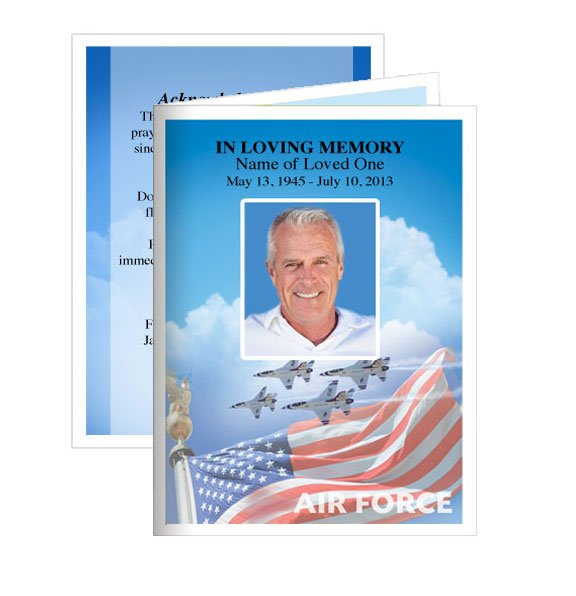
1. Full Name of the Deceased
Include the person’s full legal name as well as any commonly used nicknames if desired. This helps make the card more personal and recognizable to all who receive it.
2. Birth and Passing Dates
These dates are important for honoring the life span of the individual. Some families also choose to include the age at the time of passing.
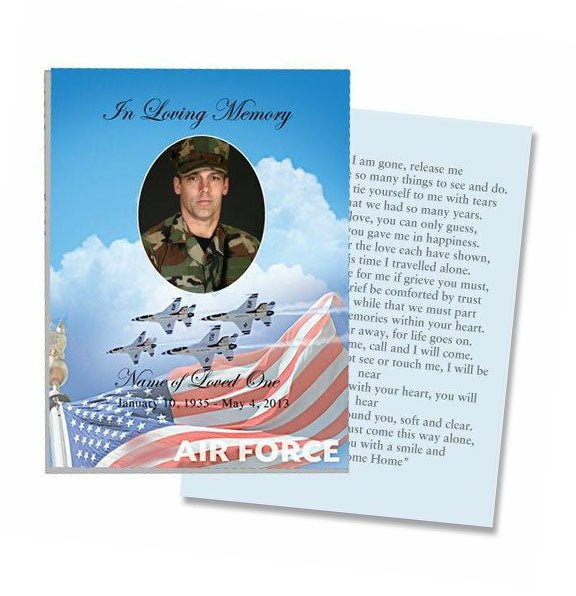
3. Photograph
A favorite photo brings warmth and familiarity to the card. Many families select an image that reflects their loved one’s personality, often from a happy moment or significant life event.
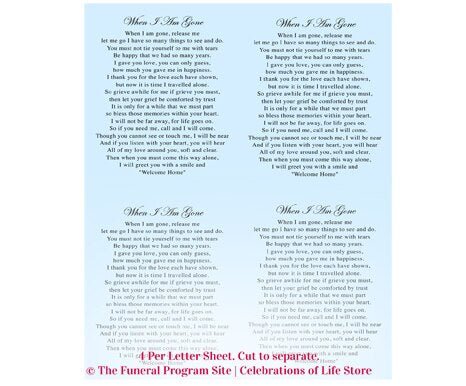
4. Meaningful Quote, Prayer, or Poem
Incorporating a spiritual verse, comforting quote, or short poem adds depth and offers emotional support to those grieving. This content can reflect the loved one’s beliefs or personal favorites.
5. Order of Service or Key Details (Optional)
If the memorial card doubles as a mini-program, you can include the order of events, names of officiants, or musical selections. While optional, this is helpful for guiding guests during the ceremony.
6. Thank-You Note
A brief acknowledgment from the family expressing gratitude for support and attendance can be added to the back or inside of the card.
For design ideas and templates, check out additional resources here: memorial cards, which offer customizable layouts.
Additional Personal Touches
Beyond the essentials, consider adding these optional details to make the memorial card more unique:
-
Favorite Scripture or Song Lyrics: Perfect for religious or spiritual services.
-
Hobbies and Interests: A small line mentioning passions or achievements.
-
Background Theme or Symbol: Such as floral patterns, nature scenes, or cultural motifs.
These details make the card feel more connected to the individual’s personality and legacy.
Design Tips for Memorial Cards
Choose the Right Paper
Select quality cardstock for durability and a professional feel. Glossy finishes enhance photos, while matte finishes give a classic look.
Use Clear Fonts
Ensure text is easy to read by using simple fonts in appropriate sizes. Avoid overly decorative styles that compromise clarity.
Balance Text and Images
Keep the layout clean and uncluttered. Too much information or too many photos can make the card appear crowded.
Consider a Template
Using a professional template saves time and ensures the design is well-structured. Templates also make it easier to maintain balance and alignment.
Digital Memorial Cards
In addition to printed versions, digital memorial cards are becoming increasingly popular. These can be shared through email or social media, allowing friends and relatives who cannot attend the service to still feel connected. Many families create both printed and digital versions for flexibility and accessibility.
Why Memorial Cards Matter
Memorial cards provide comfort during times of grief and help preserve cherished memories. Their compact size, personalization options, and heartfelt messages make them treasured keepsakes. When thoughtfully designed, they become more than informational pieces—they transform into lasting symbols of love and remembrance.
For the best results, consider using professional services or trusted resources like The Funeral Program Site for high-quality templates and printing options. Their expertise ensures your memorial card is beautifully crafted and meaningful.
Final Thoughts
When deciding what information should be included on a memorial card, focus on creating a balance between essential details and personal touches. Incorporating the name, dates, and a favorite photo is standard, but adding meaningful quotes, prayers, or even small acknowledgments can turn a simple card into a treasured keepsake.
To explore more design ideas, templates, and helpful tips, visit these memorial cards resources and start creating a tribute that truly honors your loved one.
About the Author
Christi Anderson is the founder of The Funeral Program Site, a leading provider of memorial printing templates and resources. With over a decade of experience, Christi has helped thousands of families design heartfelt tributes. She is also the author of four books on funeral printed memorials, offering expert guidance for creating keepsakes that honor loved ones.
Explore her published works on her Amazon Author Page, where she shares practical advice and creative ideas for funeral programs, prayer cards, and bookmarks. Christi’s mission is to provide families with the tools and inspiration to celebrate life with dignity and beauty.