What to Include in a Funeral Booklet: Essential Elements Explained
Christi Anderson
A funeral booklet is more than just a program—it’s a keepsake that provides structure to the service while honoring the memory of a loved one. When thoughtfully created, it becomes a lasting tribute cherished by attendees and family members alike. Knowing what to include in your funeral booklet ensures that it not only guides guests through the ceremony but also reflects the life, personality, and spirit of the deceased.
Funeral booklets often vary in design and length, but certain components are considered essential to ensure both functionality and emotional resonance. Whether you’re designing the booklet yourself or using a template, this guide outlines the key elements to include for a well-balanced and meaningful presentation.
For visual examples and customizable options, this funeral booklet design resource offers beautifully arranged templates that can help inspire or guide your layout.
1. Cover Page
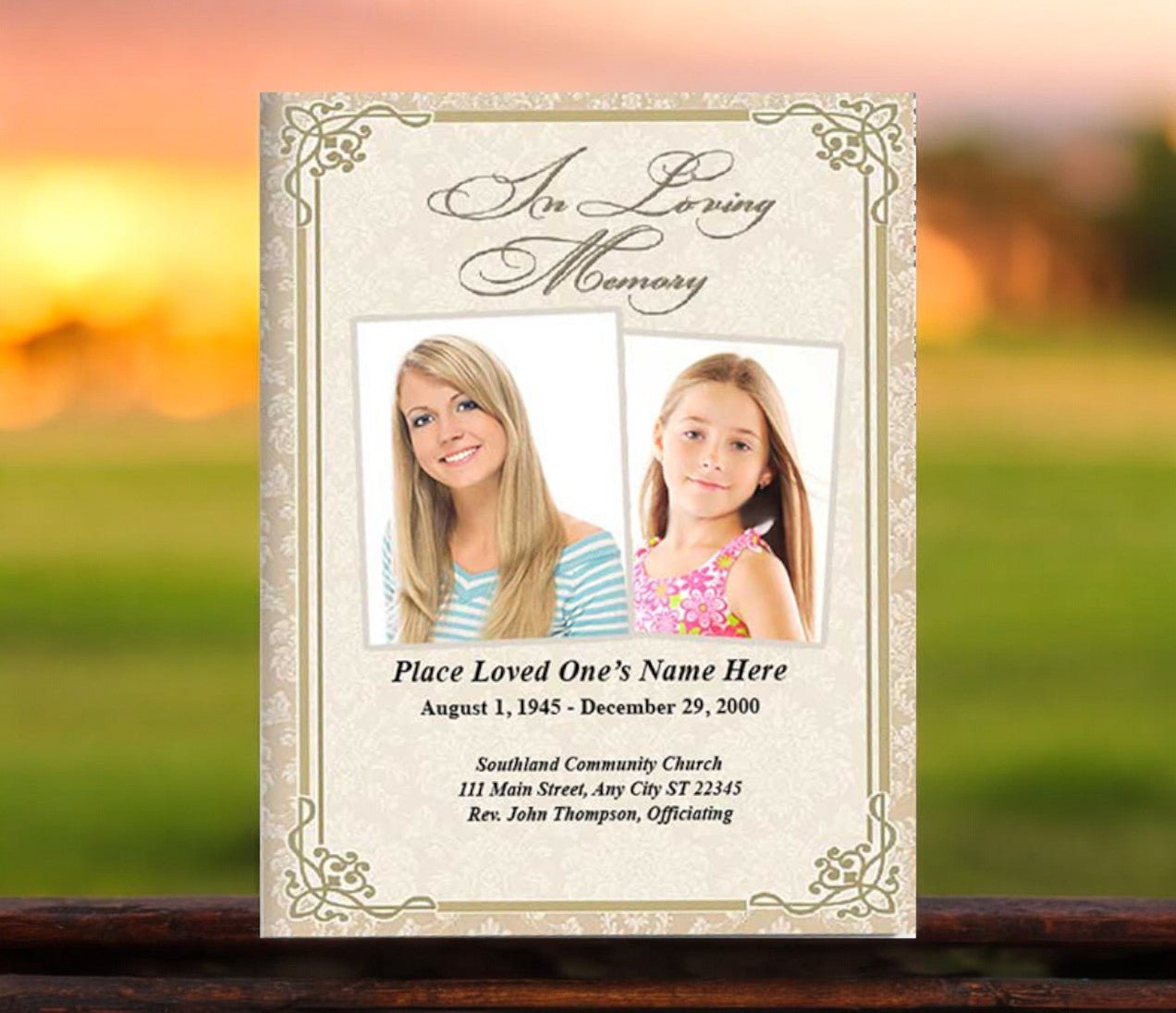
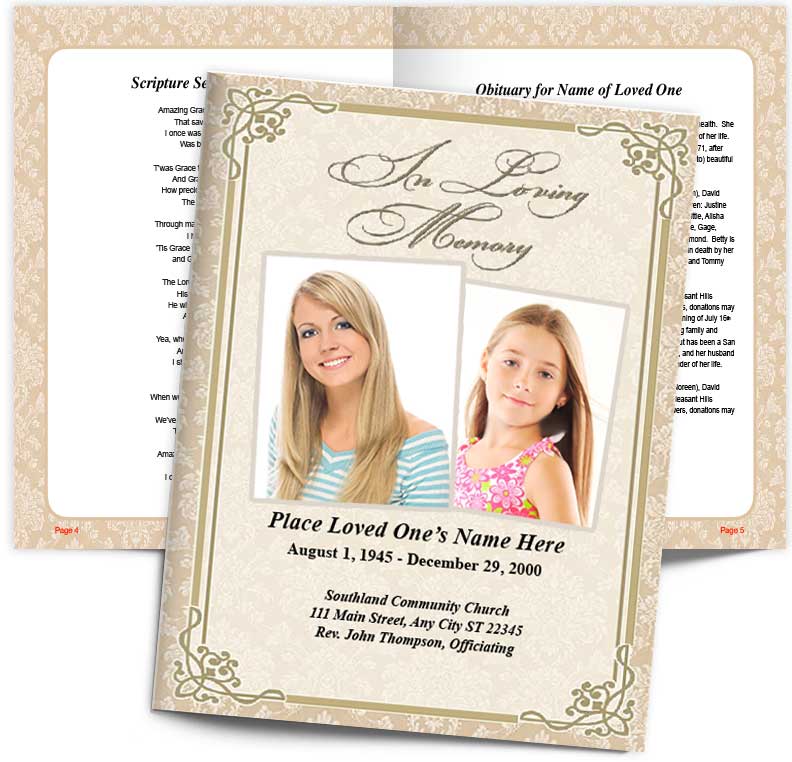
The cover typically includes the full name of the deceased, birth and death dates, and a recent photo. Some families also include a meaningful quote, scripture, or symbol, such as a cross, dove, or floral design. The cover sets the tone for the service and should be simple yet elegant.
2. Order of Service
This section outlines the flow of the memorial or funeral service, including musical selections, readings, speeches, and any rituals or religious observances. Including timing and speaker names helps guests follow along and shows appreciation for participants.
3. Obituary or Life Tribute
Often written by a close family member, this section tells the story of the deceased’s life—where they were born, important milestones, career highlights, family, hobbies, and what made them special. A heartfelt obituary provides guests with a fuller understanding of who the person was beyond the service.
4. Photos
Photos are a cherished addition to any funeral booklet. Include a small collage or timeline of photos that highlight meaningful moments: childhood, family, special achievements, or favorite pastimes. Make sure they are clear, high-resolution images that reflect happy memories.
5. Readings, Prayers, or Poems
Incorporating religious texts, spiritual affirmations, or favorite poems adds personal and emotional depth. These selections often bring comfort to attendees and help express what may be difficult to say.
6. Acknowledgments and Thank You Notes
Many families include a section to thank those who supported them, participated in the service, or sent condolences. This could also mention where donations may be made in lieu of flowers or provide details about a reception or repast.
To see a comprehensive example of a well-organized layout, explore this funeral booklet that illustrates how these elements come together in a cohesive and respectful design.
7. Back Cover
The back cover can include a final quote, image, or memory. Some families add a brief reflection or a line such as “Forever in Our Hearts.” Contact details for the family or funeral home may also be placed here.
Final Thoughts
Creating a funeral booklet is an opportunity to celebrate a life while guiding guests through a meaningful farewell. By including each of these essential elements, families ensure that the booklet becomes a powerful expression of remembrance and love. Templates and professional resources can help simplify the process and result in a polished, heartfelt product.
Author Bio
Christi Anderson is the founder of The Funeral Program Site and an industry-leading expert in memorial design. She has helped thousands of families create beautiful and meaningful tributes through professionally designed funeral materials. Explore her published work at her Amazon Author Page.